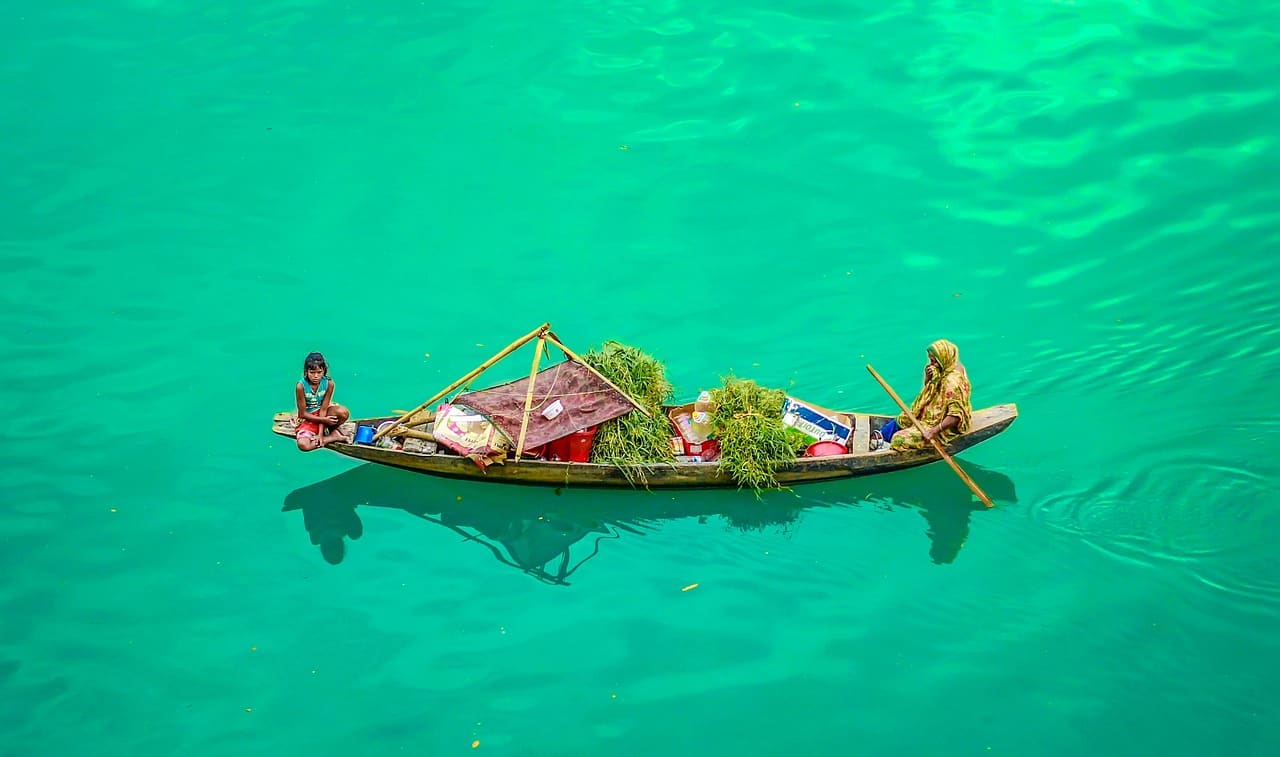
Most travelers skip Can Tho. They fly into Saigon, race off to Hoi An or Phu Quoc, and miss the slowest, most river-soaked corner of Vietnam entirely. Their loss. The Mekong Delta is where Vietnam slows down to the speed of a sampan boat — and Can Tho is the easiest gateway into it.
This guide is built for the traveler who has three days and one mission: see the floating markets at sunrise, eat the food the delta is famous for, and get back out by canal boat into the orchards and rice paddies. If you’re flying from Ho Chi Minh City, you can land Saturday morning and be home by Monday night. Here’s how to spend those 72 hours.

Why Can Tho?
Can Tho is the largest city in the Mekong Delta, the river region that fans out south and west of Saigon into a maze of distributaries, canals, and rice paddies before draining into the South China Sea. It’s about 170 km from Ho Chi Minh City — close enough to be a weekend trip, far enough to feel like a completely different country. The pace is half of Saigon’s. The food is sweeter, the herbs are wilder, and the sunsets over the Hau River turn the water pink.
What makes Can Tho the right Mekong base — instead of My Tho, Ben Tre, or Vinh Long — is scale + ease. Cai Rang floating market here is the largest in Southeast Asia. The canal system is dense and easy to navigate. The city itself has real hotels, real coffee shops, and real wifi. You don’t sacrifice comfort to see the delta from here.
Day 1: Arrival, Ninh Kieu Wharf, First Bowl of Bun Mam
Getting Here From Ho Chi Minh City
The smoothest way is a private car — about $80–120 door to door, 3.5 to 4 hours. Your hotel in HCMC can arrange one, or book through 12go.asia 24 hours in advance. The drive crosses the Tien and Hau rivers via two enormous cable-stayed bridges — sit on the right side for the views.
Cheaper options:
- Futa Bus / Phuong Trang VIP sleeper bus — 4.5 to 5 hours, about $10–15. Reliable, comfortable, and most depart from a District 5 station.
- VietJet flight HCMC → Can Tho (VCA) — only 50 minutes flying, but flights are scarce and frequently cancelled. Not reliable.
Check In Near Ninh Kieu Wharf

Ninh Kieu Wharf is the city’s center of gravity. Staying within a 10-minute walk of it saves you a Grab ride every morning, and the river-facing rooms have the best sunsets in the city. Walk the promenade after you check in — get oriented, watch the small wooden tourist boats coming and going, and find the tour-boat booking shacks at the south end of the wharf.
Lock In Tomorrow’s Sunrise Boat Today
This is the single most important thing to do on Day 1. The sunrise boat to Cai Rang Floating Market has to leave the wharf by 5:00 AM — you cannot wait until tomorrow morning to book it. Walk the wharf, get prices from 2–3 different boat operators, and lock in a private 2-hour boat for 200,000–400,000 VND (~$8–16). Your hotel can also arrange this; the price should be similar. Don’t pay more than 500,000 VND for a private boat or you’re being overcharged.
First Bowl of Bun Mam
Dinner is bun mam — the Mekong’s signature dish and the reason cooks from Saigon make pilgrimages here. It’s a fermented-fish noodle soup, deeply savory, loaded with shrimp, squid, river fish, slices of pork belly, and a small mountain of fresh herbs. Don’t eat it at a riverside restaurant — those are tourist-priced and mediocre. Eat it at a night-market stall one block back from the wharf, on plastic stools, for 40,000–60,000 VND ($1.60–2.40). The broth should smell like the river. That’s a feature, not a bug.
Day 2: Cai Rang at Sunrise + Mekong Canals
Pre-Dawn — Be at the Wharf by 4:50 AM

Set two alarms. The boat leaves at 5:00 AM sharp and the wharf is dark, half-foggy, and confusing if you’ve never been there. Bring:
- A light long-sleeve layer (the river is genuinely cold before sunrise)
- 10,000–50,000 VND notes (vendors can’t break 500K)
- Water + sun hat (you’ll be back in heat by 7 AM)
- Phone charger pack (you’ll be taking too many photos)
The boat ride out to Cai Rang takes about 30 minutes — you’ll pass cargo boats, fish farms, and floating houses still asleep. Arrive at the market by 5:45 AM, before the tour groups.
Cai Rang Floating Market
Cai Rang is wholesale, not a tourist market. Farmers from across the delta haul fruit and vegetables here by the boatload, and smaller boats buy from them to resell at land markets. Every boat hoists a sample of its goods on a tall pole — a watermelon, a pineapple bunch, a stalk of green onions — so buyers can identify them from a distance.
What to do:
- Get a coffee from the floating cafe boat — they paddle up beside your boat, hand you a tiny cup of phin coffee with condensed milk, and you pay 15,000 VND
- Buy fruit directly from a vendor — pineapples are the easy starter; the seller will hack one open for you with a machete
- Watch the rhythm — bigger boats handle wholesale, smaller boats handle retail; sampans full of phở or bún are floating breakfast carts for the market workers
Plan to spend 90 minutes, then head back upriver before the heat kicks in. By 7:30 AM the action’s over and the tour boats start choking the channel.
Late Morning — Mekong Canal Tour
The real delta is in the canals branching off the main Hau River. Hire a sampan (the narrow wooden boats with an outboard motor) for half a day, 300,000–500,000 VND. The same boat captain who took you to Cai Rang often offers this too — ask.
The canal route typically hits:
- A fruit orchard — taste rambutan, longan, mangosteen, jackfruit straight off the tree
- A rice-paper workshop — family operation, you see the whole process from rice slurry to drying racks
- A coconut candy maker — caramelized coconut milk pressed into chewy candy, free samples
- A monkey bridge (cau khi) crossing — narrow bamboo footbridges, the locals cross like it’s nothing, you’ll wobble
Most tours include lunch with a local family — usually elephant-ear fish (cá tai tượng), grilled, eaten by wrapping pieces in rice paper with herbs. It’s one of the trip’s best meals.
Afternoon — Phong Dien or Pool Time
You’ll be wrecked by 2 PM. Two choices:
- Push through to Phong Dien Floating Market (45 minutes by boat from Can Tho center) — smaller, less touristy, almost all locals. Combined with Binh Thuy Ancient House (a 19th-century French-influenced merchant home), it’s a 3-hour outing.
- Crash at your hotel pool — entirely defensible after a 4 AM start.
Evening — Banh Xeo Dinner
Dinner is banh xeo — crispy turmeric-tinted crepes filled with shrimp, pork belly, and beansprouts, named after the sizzling “xeo” sound they make on the hot pan. The Mekong version is twice the size of the Saigon version. Wrap pieces in rice paper with lettuce and herbs, dip in nuoc cham. Find a stall with a charcoal grill out front and a line of locals.
Day 3: Orchards, Sa Dec, and Departure
Morning — Bike Through Cai Rang Orchards

Rent a bicycle from your hotel ($2–3 for the day) and ride out to the Cai Rang district orchards, about 30 minutes south of the wharf. The roads are flat, traffic is light, and the side roads dip in and out of fruit farms. Stop at any roadside stall — they sell whatever ripened that week. Late December is dragonfruit, pomelo, and mandarin season.
Optional — Sa Dec Half-Day
If you have a flexible afternoon, Sa Dec is 90 minutes northwest of Can Tho — a flower-growing town that smells like jasmine year-round. Marguerite Duras grew up here and the colonial house from The Lover is a small museum. The Sa Dec flower market is at its peak around the lunar new year, but worth a stroll any time.
Where to Stay in Can Tho

Three tiers worth picking from:
- Splurge — Azerai Can Tho ($200+/night) — a low-key boutique resort on its own island in the Hau River. Accessed by hotel boat. Easily the most beautiful stay in the delta.
- Mid-range — Vinpearl Hotel Can Tho ($60–90/night) — full-service business hotel with a rooftop pool and river views. Walking distance to Ninh Kieu.
- Budget / authentic — Phong Dien homestays ($15–25/night) — family-run guesthouses out by the smaller floating market. You eat dinner with the family. Book through Booking.com or Agoda.
Getting Around Can Tho
- Grab moto — the fastest and cheapest way through the city. 15,000–25,000 VND for most rides.
- Grab car — for hotter days or longer trips. Roughly 60,000–100,000 VND across town.
- Walking — Ninh Kieu area is small enough to walk; the wharf to Cai Khe islet is 15 minutes on foot.
- Bicycle rental — most hotels rent for $2–3/day; perfect for the orchards south of town.
- Boats — anything on the water gets booked at the wharf or through your hotel. Always confirm the route + price before boarding.
What to Eat in Can Tho

The Can Tho food short list:
- Bun mam — fermented-fish noodle soup, the regional star
- Banh xeo — plate-sized crispy crepes, eaten wrapped in rice paper
- Hu tieu Sa Dec — clear pork broth with thin rice noodles, classic Mekong breakfast
- Ca loc nuong trui — whole snakehead fish grilled on a skewer over straw fire, scaled at the table
- Goi du du kho bo — green papaya salad with dried beef, sweet-sour-spicy
- Banh khot — mini cup-shaped pancakes with shrimp, eaten by the half-dozen
- Coffee — phin-filtered Vietnamese coffee with condensed milk; every street corner sells it
Eat all of it at market stalls or street stands, not at riverside restaurants. The night-market food strip one block back from Ninh Kieu Wharf is your best hunting ground.
Departing Can Tho
Most travelers head back to Ho Chi Minh City by private car (3.5–4 hours, $80–120) or VIP bus (4–5 hours, $10–15). If you’re carrying on to Phu Quoc, check whether VietJet’s Can Tho → Phu Quoc direct flight is running that week — it’s the fastest option if available. Otherwise, fly out of SGN.
A 3-Day Can Tho Trip in One Line
Land Saturday morning, sunrise boat Sunday, canal tour Sunday afternoon, orchard ride Monday morning, back to Saigon Monday evening. Three days, one bowl of bun mam, and an actual taste of the Mekong instead of the postcard version.
If you have more time, extend by one day for either Phong Dien + Sa Dec or a Tra Su Forest day-trip. Anything beyond that and you should consider basing in Chau Doc to see the western delta too.
Photos: Pixabay (free for commercial use).