---
title: "A Week in Hokkaido in Winter: Sapporo, Otaru, Niseko"
description: "Seven-day Hokkaido winter route through Sapporo's snow festival, Otaru's canal, and Niseko's powder — what to pack, what to eat, what to skip."
pubDate: 2026-05-26T00:00:00.000Z
category: destination
author: "Traveloonie Team"
readTime: "9 min"
tags: ["hokkaido","japan","winter","skiing"]
destination: tokyo
canonical: https://traveloonie.com/blog/hokkaido-winter-week
---
import AffiliateCard from '../../components/AffiliateCard.astro';
import AffiliateDisclosure from '../../components/AffiliateDisclosure.astro';
import LongWeekendBanner from '../../components/LongWeekendBanner.astro';
The first thing you notice in Otaru at -8°C is the sound — a dry, percussive crunch underfoot that southern-Japan snow never quite makes. Steam curls off a roadside ramen counter in Sapporo, fogging the window so thoroughly that the noren outside disappears for a beat. A week in Hokkaido in winter is exactly this kind of trip: cold sharp enough to wake you up, food warm enough to forgive it.
## Why Hokkaido in Winter
Hokkaido is Japan's northernmost main island, and its winters are the reason a lot of skiers fly past the Alps to get there. Cold, dry Siberian air picks up moisture over the Sea of Japan and dumps it on the western side of the island as light, low-density powder — the snow that ski magazines call "Japow." But the appeal isn't only the mountain. Hokkaido in February gives you a snow-sculpture festival the size of a small city, a port town strung with gas lamps along a frozen canal, miso ramen designed to be eaten at zero degrees, and onsen towns where the steam from outdoor baths drifts into pine forests.
A week is enough to do the highlight loop — Sapporo for the city and the festival, Otaru for the canal day trip, Niseko for the powder, and one quiet onsen night to wind down — without feeling rushed. Two weeks would let you add Furano, Asahikawa, or the drift ice up at Abashiri. One week, done well, is what most travelers actually have.
## Days 1-2: Sapporo (Snow Festival + Miso Ramen)
Fly into New Chitose Airport (CTS), take the JR Rapid Airport train into Sapporo Station — about 40 minutes, fast and warm. Base yourself near Odori Park or Susukino; both put you within walking distance of the Sapporo Snow Festival's main venues if you've timed it right.
The Sapporo Snow Festival typically runs in early February each year , with the main sculpture site stretching for over a kilometer down Odori Park and a second illuminated venue in Susukino made of ice rather than snow. Go after dark at least once — the projection-mapped sculptures look completely different lit up. Bring hand warmers, the kind that go inside gloves and boots; you'll be standing still a lot more than you think.
For food, Sapporo invented miso ramen, and the city takes the claim seriously. Ramen Yokocho ("Ramen Alley") in Susukino is the obvious pilgrimage, but locals will point you to newer specialists scattered across the city. Order the miso, add corn and butter, eat it before it cools — that's the whole brief.
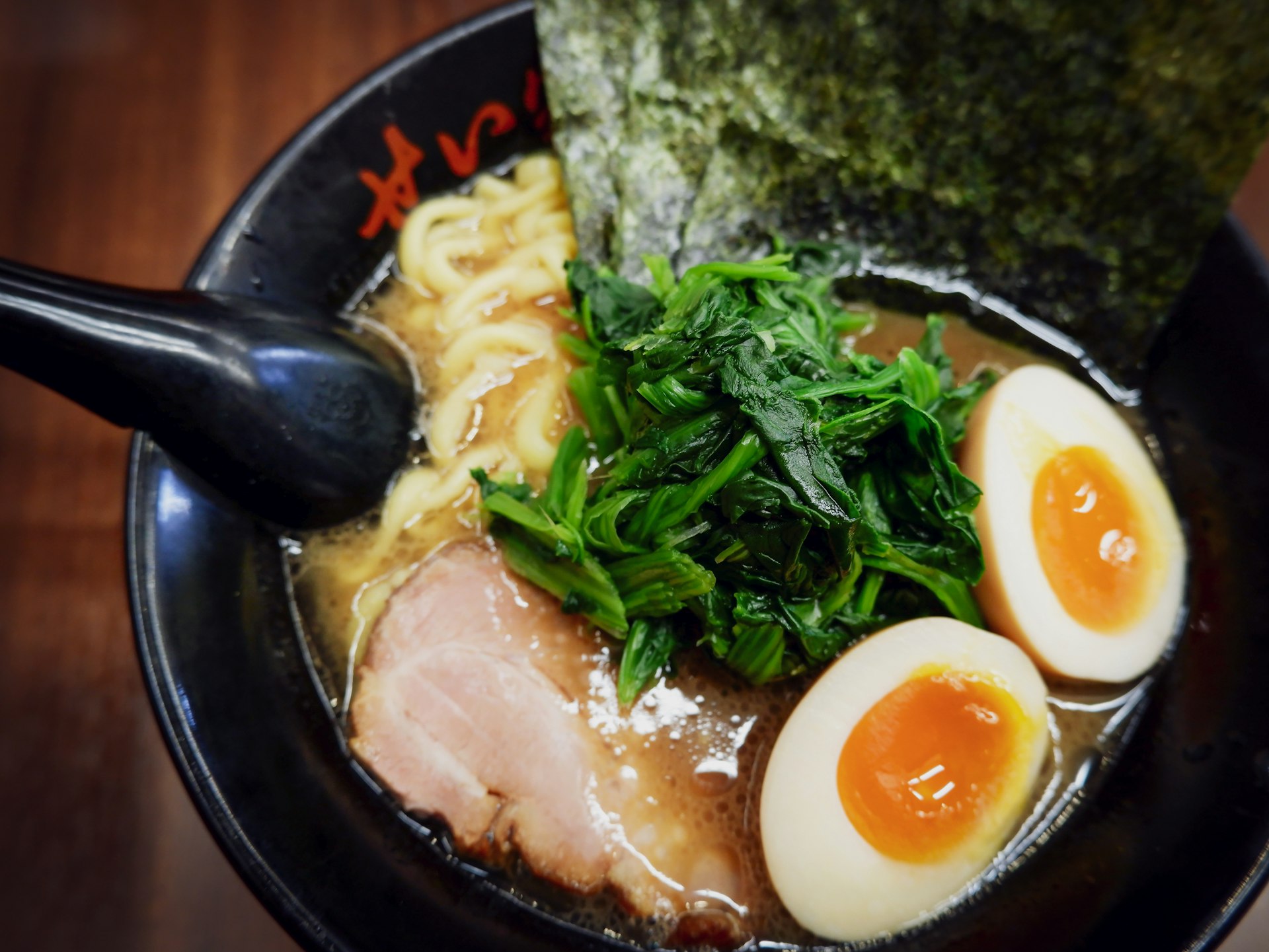
Day 2, give yourself a slower morning. The Hokkaido Museum of Modern Art, the Sapporo Beer Museum (Hokkaido is where Japanese beer started, more or less), and the underground arcades that let you walk half the city center without putting your coat back on — all good rainy-snowy-day options.
## Day 3: Otaru (Canal + Music Box Hall)
Otaru is 35 minutes northwest of Sapporo by JR train, hugging the Sea of Japan coast. It was a herring-fishing and trading port at the turn of the 20th century, and the surviving stone warehouses along the canal are what most people come to photograph — especially in winter, when the canal freezes at the edges and the gas lamps are lit by mid-afternoon.
If you're there in early February, the Otaru Snow Light Path Festival runs simultaneously with the Sapporo Snow Festival and turns the canal-side path into a corridor of hand-carved snow lanterns. It's quieter, slower, and significantly more photogenic than the main Sapporo event. We'd argue it's the better evening of the two.
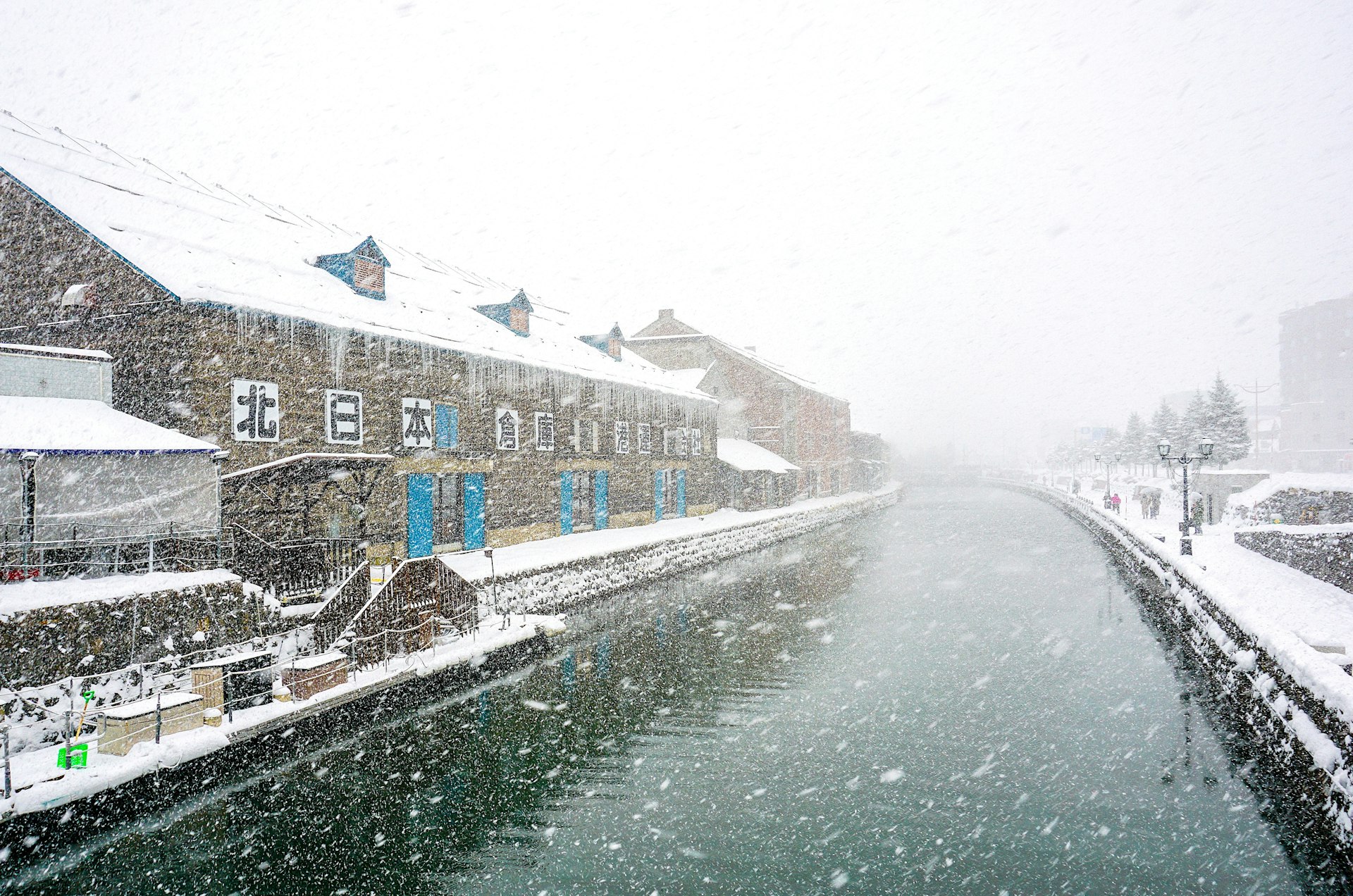
The other Otaru must-do is the Music Box Museum (Otaru Orgel-do) at the south end of Sakaimachi Street — a converted brick warehouse full of antique and modern music boxes, with a steam clock outside that puffs on the hour. Sakaimachi itself is a glassmaking street; Otaru-glass studios run hot-glass demonstrations you can watch through a window from a heated viewing area, which is exactly the kind of activity February deserves. For lunch, the town is famous for sushi — the Sankaku Market by the station has stalls where the catch is from that morning.
## Days 4-6: Niseko (Powder Days)
From Sapporo or Otaru, Niseko is about two and a half to three hours by bus or train-plus-shuttle. The resort area is actually four interconnected base areas — Hirafu, Niseko Village, Annupuri, and Hanazono — all on the same mountain (Mt. Niseko Annupuri) and all covered by the All-Mountain Pass.
Niseko gets, on average, around 14 meters of snow per season , which is why it shows up on every "best powder on Earth" list. Storm cycles arrive every few days from December through February, and the in-bounds tree skiing — legal, marked, and patrolled, which is rare in Japan — is what most international skiers actually come for. Beginners are fine too: Hirafu and Annupuri have wide, gentle learner zones with English-speaking instructors.
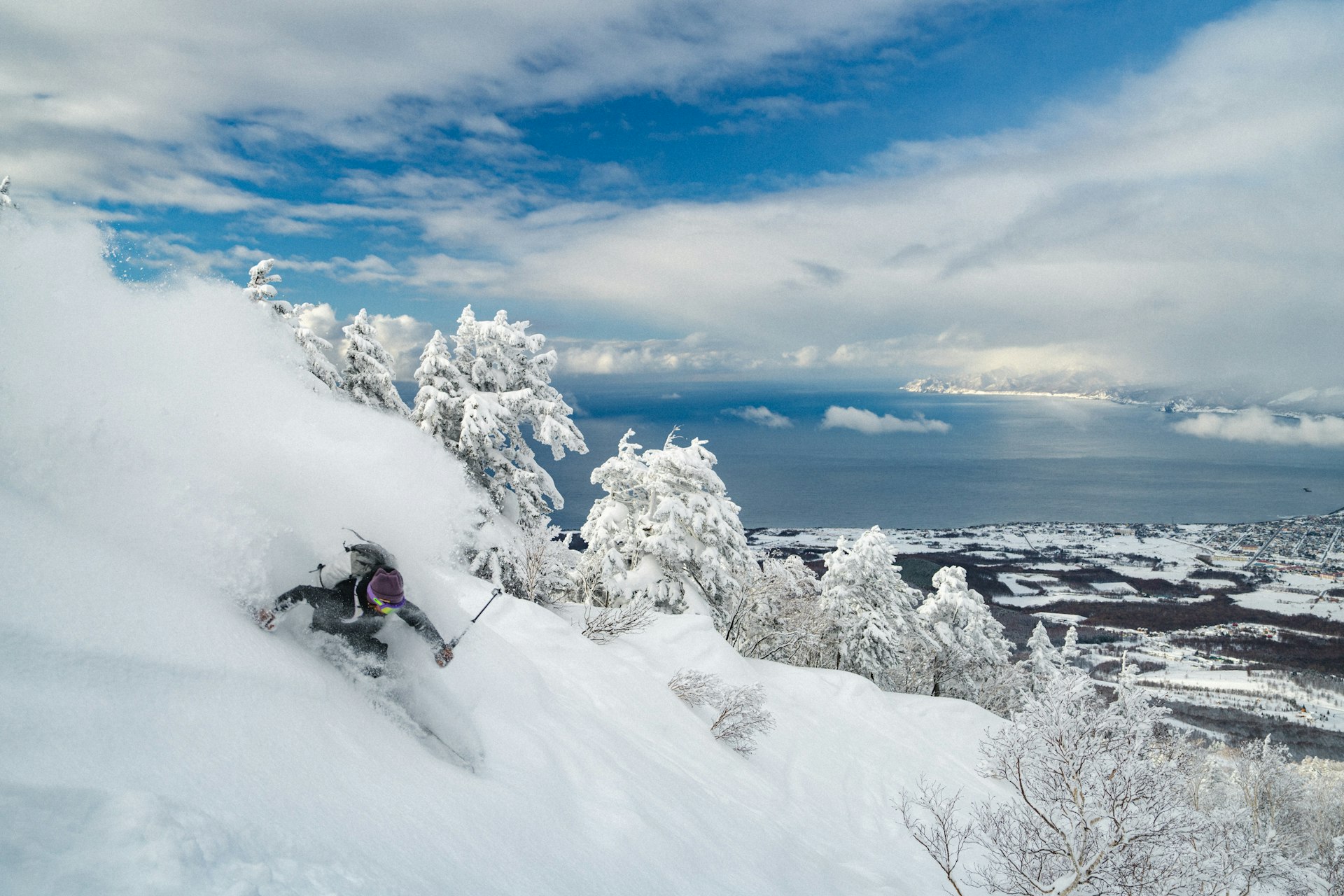
If you're not skiing, Niseko still works. Snowshoe tours through the silver birch forests, nightly izakaya-hopping in Hirafu village, and a long list of onsens — Yukoro and Goshiki Onsen are local favorites — give you a full three days without ever clipping in. The town also has a surprisingly international restaurant scene because of Australian and Hong Kong seasonal residents; you'll see Hokkaido kaiseki and wood-fired pizza on the same block.
Where to stay matters more here than in Sapporo. Ski-in/ski-out lodges in upper Hirafu cost more but save you the morning shuttle; mid-mountain pensions in lower Hirafu or Annupuri are quieter and cheaper. Book several months ahead for January and February — Niseko sells out earlier than almost any other ski destination in Asia.
## Day 7: Onsen Wind-Down (Jigokudani / Noboribetsu)
Three days of powder catches up to your legs. The cleanest way to finish a Hokkaido winter week is a single night in an onsen town — and Noboribetsu, about two hours southeast of Niseko, is the classic pick.
The town sits on the rim of Jigokudani ("Hell Valley"), a small volcanic crater that pumps sulfur-yellow steam into the air all day and feeds nine different mineral waters into the bathhouses below. A wooden boardwalk loops the crater rim in about 30 minutes — even in deep snow, it's well-maintained — and the contrast between the steam, the snow, and the bare red rock is hard to beat.
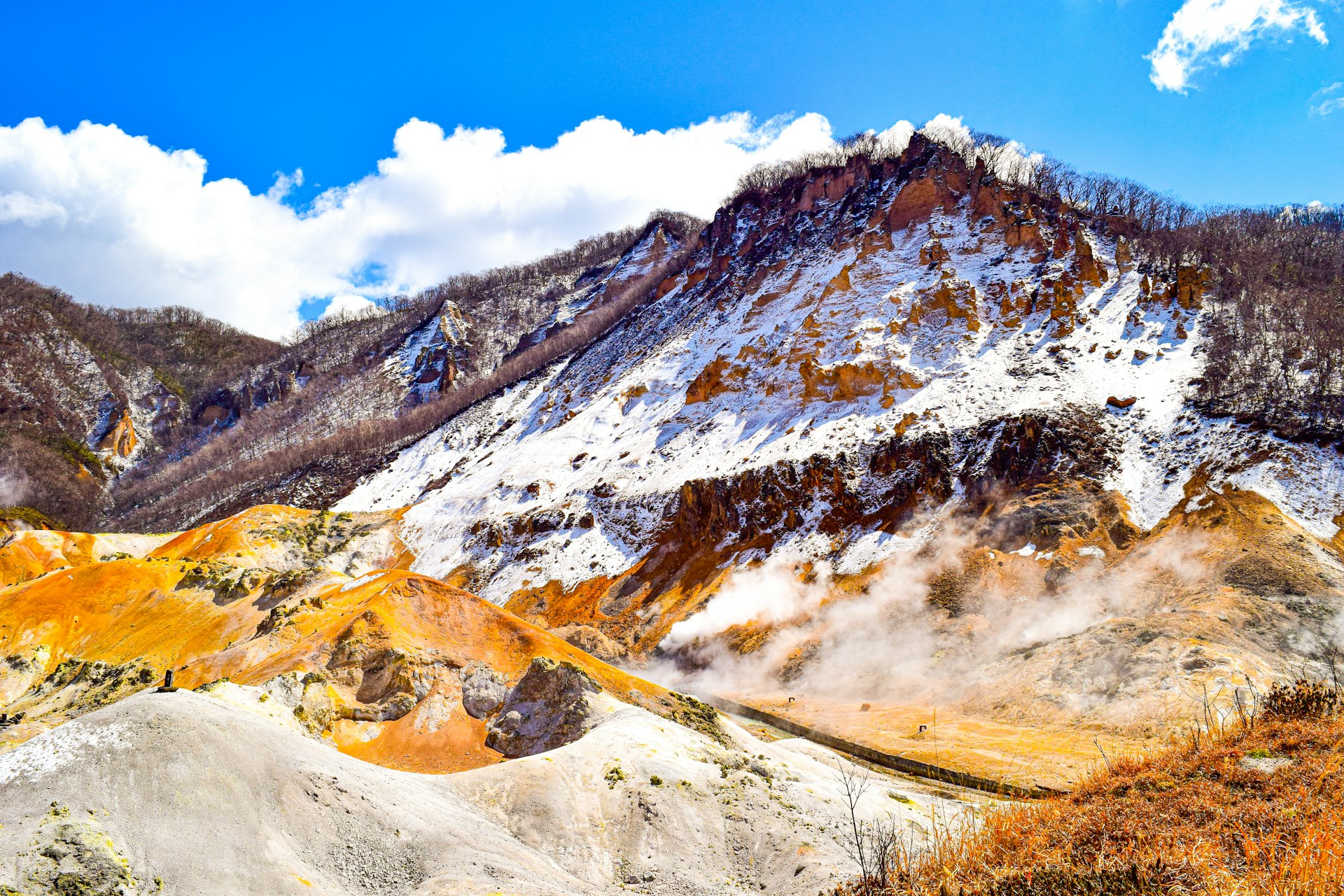
Stay at a ryokan with its own onsen and book the kaiseki dinner included. You'll get a yukata to wear, a tatami room with futons rolled out while you eat, and unlimited access to the rotenburo (outdoor bath) — sitting in 42°C water while snow lands on your hair is the closing image you want for this trip. From Noboribetsu, it's a straight train back to New Chitose Airport the next morning.
## Packing for -10°C
Hokkaido cold is dry, which is good news — it feels less brutal than damp 0°C in London or Seoul — but you still need real layers. Our short list: a windproof shell, a down or synthetic mid-layer, merino base layers (top and bottom), insulated waterproof boots (not just leather), a beanie that covers your ears, a neck gaiter or buff, and gloves rated for actual cold, not commute cold. Pack hand warmers, lip balm, and high-SPF sunscreen — snow glare at altitude is a real thing. Hotels in Sapporo and Niseko run hot indoors, so plan to peel down to a single layer the second you walk in.
## FAQs
### When does the Sapporo Snow Festival happen?
The festival typically runs for about a week in early February each year . Check the official site (snowfes.com) for that year's exact dates before booking flights, because they shift slightly with the calendar.
### Do I need snow chains to drive in Hokkaido?
If you rent a car in winter, it'll come with studless winter tires by default — chains aren't usually required on top. That said, most travelers skip the car entirely. JR trains, the Hokkaido Resort Liner bus, and resort shuttles cover Sapporo–Otaru–Niseko–Noboribetsu without much hassle and let you nap on the way.
### Is Niseko good for beginners?
Yes. Hirafu and Annupuri both have dedicated beginner zones with magic carpets and gentle green runs, and several ski schools run English lessons. The tree skiing and off-piste terrain are what advanced skiers come for, but the beginner experience is genuinely good — and the lift queues are short by European standards.
### How cold does it actually get?
Daytime highs in Sapporo and Otaru sit around -2°C to -5°C in January and February, with overnight lows down to -8°C or colder . Niseko at mid-mountain runs a few degrees colder. The wind, especially in Otaru by the sea, is what makes it feel sharp — block it and the dry cold is very manageable.
### Can I do this trip without skiing?
Easily. Swap the three Niseko days for two in Furano (lavender fields in summer, snowshoeing and biei in winter) and one extra in Noboribetsu, or add a day trip to Lake Toya. Hokkaido in winter has plenty of non-ski reasons to visit.
## Sources
- [Sapporo Snow Festival official](https://www.snowfes.com/english/)
- [Niseko Tourism](https://www.niseko.ne.jp/en/)
- [JNTO Hokkaido guide](https://www.japan.travel/en/destinations/hokkaido/)
- [Wikivoyage: Hokkaido](https://en.wikivoyage.org/wiki/Hokkaido)
- [Otaru Tourism Association](https://otaru.gr.jp/en/)
- [Noboribetsu Tourism](https://noboribetsu-spa.jp/?lang=en)
Hero photo: see public/images/blog/hokkaido-winter-week-hero.json. Inline photos: see docs/image-licenses/hokkaido-winter-week.md.
*Reviewed by Traveloonie Team, last updated 2026-05-26.*