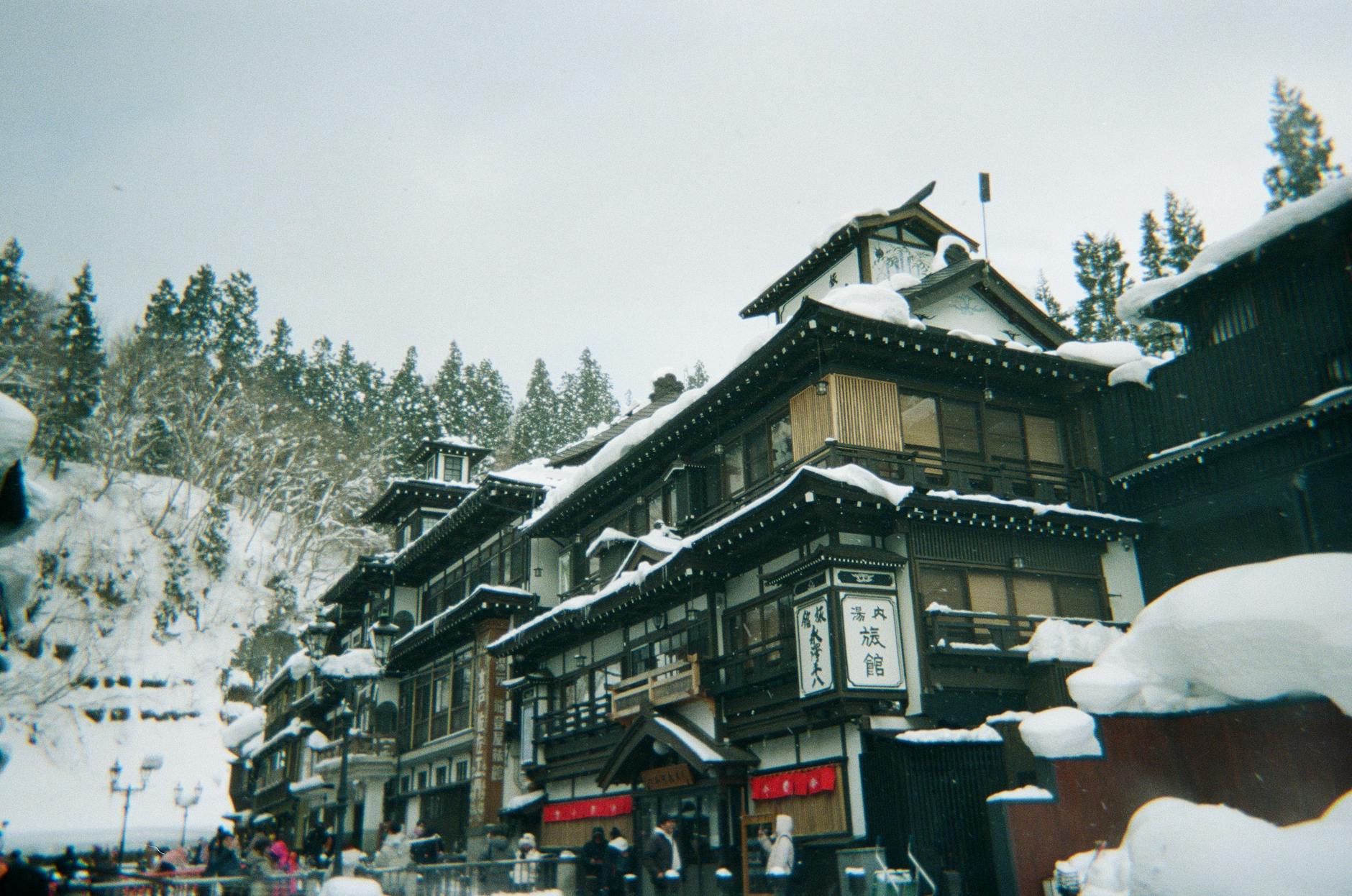
Dawn at a mountain rotenburo in Hakone. Snow on the volcanic rocks, steam curling off the water, the only sound a wooden ladle tapping stone. Nobody speaks above a whisper. The onsen is one of the few places in modern Japan where the rules are older than the buildings, and walking in cold — without understanding the choreography — is the fastest way to feel like you have done something wrong. We wrote this so you do not.
Before You Strip Down: The Big Rules
An onsen is a communal bath fed by natural geothermal water, and the etiquette is built around one idea: the bath itself must stay clean. Everyone enters already washed. Nobody brings soap, shampoo, or a large towel into the bathing pool. Swimsuits are not allowed in a traditional onsen — the bath is taken nude, separated by gender. This trips up most first-timers more than anything else, and it is non-negotiable at any traditional facility.
A few baseline rules that apply almost everywhere:
- Take off your shoes at the genkan (entryway) and switch to slippers. Slippers come off again before stepping onto tatami or into the changing room.
- Long hair gets tied up before entering the water. A small clip or a towel-wrap works.
- Phones, cameras, and GoPros are banned in the bathing area. Always. No exceptions.
- Drinking water before and after is encouraged. Drinking alcohol before soaking is not — the heat plus alcohol can cause fainting.
- Keep your voice low. The onsen is a quiet space, closer to a library than a pool.

The Washing Order (And Why It Matters)
The washing area sits between the changing room and the bath itself. You will find rows of low stools facing mirrors, each with a handheld shower, a small bucket, and dispensers of soap and shampoo. This is where you actually get clean. The bath is for soaking afterward — it is not the wash itself.
The order, in practice:
- Leave your large bath towel in the changing room or on a shelf outside the wet area. It does not come in.
- Bring only your small modesty towel (about the size of a hand towel) and any toiletries.
- Sit on a stool — never stand — and use the handheld shower to rinse thoroughly.
- Wash your body and hair with soap and shampoo. Rinse completely. No suds should reach the bath.
- Rinse the stool and bucket when you finish, leaving them as you found them.
- Walk to the bath, lower yourself slowly, and soak.
Skipping the wash, or doing a token rinse, is the single most common mistake foreign visitors make. It is also the one that genuinely offends regulars. The wash is the entry fee.
Tattoos: What’s Actually Allowed in 2026
Tattoos remain the most confusing part of onsen etiquette, and the rules genuinely vary by facility. The historical link between tattoos and yakuza membership led most public bathhouses to ban them outright in the twentieth century, and many still do. But the landscape has shifted, especially in tourist-heavy regions.
What we can say with confidence in 2026:
- Many ryokan and resort onsen now accept tattoos, either openly or via a “cover sticker” policy where small tattoos can be hidden with a provided patch.
- Tattoo-Friendly Japan (tattoo-friendly.jp) maintains a searchable directory of onsen, sento, and ryokan that openly welcome tattooed guests. Use it before you book.
- Private family baths (kashikiri-buro) at a ryokan bypass the issue entirely — you book the room for an hour, it is yours alone, no policy applies.
- Large tattoos or full sleeves are still refused at most traditional public onsen. A cover patch will not be enough.
“ Tattoo-acceptance policies change at the individual property level, and a place that was welcoming last year may have tightened up this year. Always confirm with the ryokan or onsen directly when you book, in writing if possible.

Towel Etiquette (The Small Towel Stays Out of the Water)
The small towel — usually pale blue or white, about 30 by 80 centimeters — has a specific role. It is for modesty while walking between the washing area and the bath, and for wiping your face. It does not enter the water.
What people do with theirs:
- Fold it into a small square and place it on top of your head while soaking. This is the classic image you have seen, and it is not just decorative — it keeps the towel out of the bath and also helps regulate body temperature.
- Set it on the stone edge of the bath beside you.
- Use it to dry off before walking back to the changing room, so you do not drip across the tatami.
Dropping the towel into the water is a mild faux pas. Wringing a soapy towel into the water is a serious one. When in doubt, keep it on your head and forget it is there.
Public Onsen vs Ryokan Bath vs Private Family Bath
Three different experiences fall under the onsen umbrella, and knowing the difference helps you pick the right one for your comfort level.
Public onsen (sento or onsen ryokan day-use) are the traditional gender-separated communal baths. Lockers, low stools, big indoor and outdoor pools. Cheap (usually 500 to 1500 yen), but the rules apply most strictly. Best for travelers who want the full cultural experience and are comfortable with public nudity.
Ryokan in-house bath (for overnight guests) is the same setup but reserved for hotel guests. Quieter, often more beautiful, and you can return multiple times during your stay — early morning, before dinner, before bed. Yukata robes are provided for the walk between your room and the bath.
Private family bath (kashikiri-buro) is a small private onsen room you book by the hour, usually for an extra fee on top of your ryokan stay. No gender separation, no other bathers, no tattoo rule. Ideal for couples, families with young children, anyone with body-image concerns, or anyone whose tattoos would otherwise be a problem.
Mixed-gender public bathing (konyoku) does still exist but is now rare — mostly at very rural mountain onsen and a few historic facilities. Some require modesty wraps for women; some do not. If this matters to you, research the specific property carefully before going.

Planning Around the Long Weekends
Onsen towns get fully booked during Japanese long weekends and national holidays. Ryokan with the best baths often sell out three to six months ahead for these dates. If you want to avoid both the crowds and the surge pricing, plan your onsen night for a Sunday or Monday outside the holiday windows.
Where to Go: Hakone, Beppu, Kusatsu, Noboribetsu
Four onsen regions to anchor a trip around. Each has a different personality.
Hakone sits ninety minutes from Tokyo by Romancecar train and is the most accessible serious onsen destination. Mountain views, sulfur springs, the Hakone Open-Air Museum, and a loop of cable cars, pirate ships on Lake Ashi, and ropeways. Best for first-timers who want everything in one weekend.
Beppu on Kyushu has more onsen by volume than any other city in Japan — 2,000+ sources. The famous “Hells of Beppu” are eight dramatic colored hot springs you tour but do not bathe in, alongside hundreds you do. Sand baths, mud baths, steam baths — the variety here is the draw.
Kusatsu in Gunma is the most traditional. The town centers on the Yubatake, a wooden trough system where the spring water cools before flowing into the baths. The water is famously strong (acidic, high mineral content) — a 3-minute soak is enough. Best for purists.
Noboribetsu in Hokkaido is the volcanic one, set beside the steaming, sulfurous Hell Valley (Jigokudani). The water comes in nine different mineral compositions across the town, and the snow-covered winter rotenburo experience is unmatched.

A traditional ryokan stay (one or two nights) is the way to do this properly. The kaiseki dinner, the in-room tatami breakfast, the unlimited bath access, and the yukata you live in for 18 hours are the experience — not just the soak itself.
FAQs
Can I enter an onsen with tattoos?
It depends on the property. Many ryokan and resort onsen now accept tattoos either openly or with a cover-patch policy. Most traditional public onsen still refuse them. The reliable workaround for any size of tattoo is to book a private family bath (kashikiri-buro), where the rule does not apply. Always confirm directly with the property before booking.
Are mixed-gender onsen still a thing?
A few historic konyoku (mixed-gender) baths exist, mostly in remote mountain regions. They have become much rarer over the last twenty years. Most modern onsen are strictly separated by gender. If you want to bathe together as a couple or family, book a private family bath instead.
How long should I soak?
Most regulars soak for 10 to 15 minutes at a time, then rest in the cool air or step out for water before going back in. The water is hot (40 to 44 °C is normal) and the minerals can be strong. Listen to your body — dizziness, lightheadedness, or pounding heart means get out and rehydrate. Anyone with heart or blood-pressure concerns should consult a doctor before a hot-spring trip.
Do I need to wash my hair?
Yes, if your hair has product in it, has not been washed recently, or is long enough to touch the water. Either tie long hair up well above the waterline or wash and rinse it fully before entering. Conditioner residue and styling product in the bath are exactly what the wash rule is meant to prevent.
Can I take photos?
Not in the bathing area, not in the changing room. Phones and cameras stay in your locker or your guest room. Most ryokan are happy for you to photograph the empty bath in advance if you ask politely, but the moment another guest enters, cameras must go away.
Sources
- Tattoo-Friendly Japan directory — searchable database of onsen and sento that accept tattoos
- Japan National Tourism Organization — Onsen guide — official etiquette overview
- Hakone Tourist Association — Hakone-specific onsen and ryokan info
- Wikivoyage — Onsen — traveler-maintained etiquette reference
- Japan Guide — Onsen rules — long-running English-language guide
- Beppu Tourism — Hells of Beppu and bathing district map
Hero photo: see public/images/blog/japan-onsen-etiquette-hero.json. Inline photos: see docs/image-licenses/japan-onsen-etiquette.md.
Heads up! Some links on this page are affiliate links. We may earn a small commission at no extra cost to you. This helps us keep Traveloonie running and free for everyone.
Reviewed by Traveloonie Team, last updated 2026-05-27.