The first time I landed at Haneda, it was a damp April night and the train platform smelled like rain and yakitori smoke from the stall outside. I had a printed itinerary that was way too ambitious — three neighborhoods a day, every day, for a week. By day three I was wrecked. This is the plan I wish someone had handed me: seven days that actually let you taste Tokyo without grinding yourself into the pavement.
Day 1-2: Shibuya & Shinjuku
Land, sleep, and resist the urge to “make the most of it” on day one. Tokyo punishes that. I always book my first two nights in Shinjuku or Shibuya because the trains run late, the convenience stores are open all night, and jet-lag wandering is genuinely fun when the streets are still buzzing at 2am.
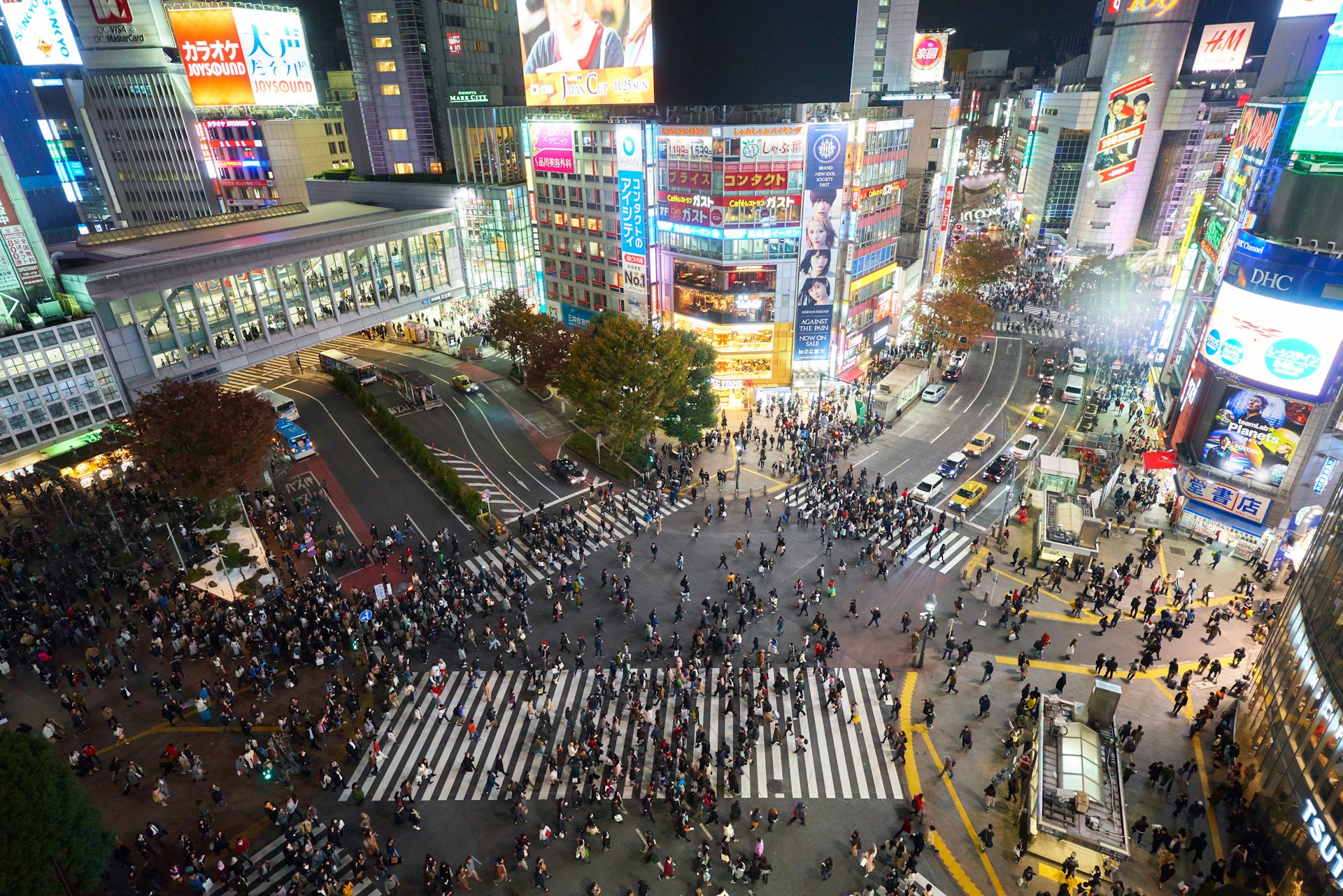
Day one I keep light. Shibuya Crossing, a slow coffee at a tiny stand near the station, then up to Shibuya Sky if the weather is clear — the sunset slot is the one to book ahead. Dinner is whatever ramen shop has a line that isn’t insane. Day two I go deeper into Shinjuku: Golden Gai for one drink (not three — those tiny bars charge a seat cover), Omoide Yokocho for skewers, and the free observation deck at the Tokyo Metropolitan Government Building if you want a city panorama without paying.

A small thing that saved me: get a Suica or Pasmo IC card at the airport and load it with about 3,000 yen. Tapping through gates is so much faster than buying paper tickets, and you can also use it at convenience stores.
Day 3: Asakusa & Old Tokyo
This is the day I shift gears. Asakusa feels like a different city — wood, incense, sweet-shop steam. I start at Senso-ji early (before 9am if you can stomach it) because the approach through Nakamise-dori is genuinely peaceful when the shutters are still half-down. By 11am it’s a tide of tour groups.

After the temple I wander into Yanaka, one of the few neighborhoods that survived both the 1923 earthquake and WWII bombings mostly intact. Yanaka Ginza is a long shopping street with cat sculptures, sembei crackers grilled in the window, and almost no English signage. It’s the version of Tokyo I love most — small, slow, residential.
Lunch is unagi (grilled eel over rice) if your budget allows. It’s one of those dishes that is genuinely better in Tokyo than anywhere I’ve had it. Evening: a short subway ride to Tokyo Skytree if you want the height, or back to your hotel for an early night. Day four is a long one.
Day 4: Akihabara & Modern Tokyo
Akihabara hits differently in person. Photos make it look chaotic; the reality is more like walking through a video game arcade that swallowed an electronics district. Even if you’re not into anime or retro games, the sensory load alone is worth a half-day.

I usually do Akihabara in the morning when the crowds are thinner, then take the Yamanote Line down to Ginza for an afternoon flip — high-end stationery shops (Itoya is a four-floor temple to paper), department-store food halls (the basement levels, called depachika, are where you should eat dinner-quality bento for half the restaurant price), and Hibiya Park if your feet need a break.
If you have energy left, end the day in Shimokitazawa for vintage shops and live music venues. It’s a 10-minute train from Shibuya and feels twenty years younger than the rest of the city.
Day 5-6: Day-trips (Kamakura, Hakone)
Two full days inside Tokyo is plenty before the city starts feeling like noise. Day five I always do Kamakura — about an hour south by train, ocean air, the Great Buddha (Daibutsu), and a string of temples connected by walking paths through bamboo and cedar. You can do it as a day-trip easily; trains run constantly from Shinjuku and Tokyo Station.

Day six is Hakone if you want hot springs and a Mt. Fuji view (weather-dependent — Fuji hides behind clouds more often than the postcards suggest). The “Hakone Free Pass” from Odakyu covers the round-trip train, the local mountain railway, the pirate-ship cruise on Lake Ashi, and the ropeway over the volcanic valley. It’s a touristy loop, but it works.
If hot springs aren’t your thing, swap Hakone for Nikko — temples and waterfalls about two hours north — or just stay in the city and do a slow Shimokitazawa-into-Daikanyama café day. Not every day has to be a checklist.
Day 7: Wind-down + Souvenir Run
Last day. Don’t try to cram a new neighborhood. I use day seven for the things I keep forgetting on the way out — pharmacy stops (Don Quijote for snacks and skincare, open until 2am most locations), a real sit-down breakfast somewhere I liked earlier in the week, one last temple or garden for the photo album.
For me that’s usually Hamarikyu Gardens — a former shogun’s duck-hunting ground turned public park, with a tea house on an island in the middle of the pond. You can take a small boat from there down the Sumida River to Asakusa if you want a slow, scenic ride to bookend the trip.
Pack snacks for the flight home. The KitKat flavors are not a joke; matcha and hojicha both travel well.
Money, Trains, and Survival Phrases
Cash still matters in Tokyo more than first-timers expect. Big stores and chains take cards, but small ramen shops, ticket machines at some temples, and most izakaya are cash-only. I pull about 20,000 yen at a 7-Eleven ATM on arrival and refill mid-week.
💱 1USD ≈ 158JPY
Trains are the lifeline. Get the Suica/Pasmo IC card I mentioned, download the Japan Travel by Navitime app, and trust Google Maps for routing — it knows which car to board for the fastest transfer. Avoid rush hour (roughly 7:30-9:30am and 5:30-7pm) on the Yamanote and Chuo lines unless you enjoy being a sardine.
Three phrases will carry you further than you’d think:
- Sumimasen — “Excuse me” / “Sorry” / “Thanks for getting my attention.” Use it constantly.
- Arigatou gozaimasu — “Thank you very much.” Formal, polite, always appropriate.
- Eigo no menyuu wa arimasu ka? — “Do you have an English menu?” Most places do; this gets it out faster.
Tipping isn’t a thing. Don’t do it. It’s actually awkward.
FAQs
Is 7 days enough for Tokyo?
For a first visit, yes — comfortably. Seven days lets you cover the main neighborhoods, do one or two day-trips, and still have time to wander without itinerary-checking every hour. If you want to add Kyoto, Osaka, or Hakone as more than a day-trip, plan 10-14 days total.
Do I need to learn Japanese?
No, but learning three or four polite phrases changes the texture of the trip. Major signs, train announcements, and tourist-facing menus are usually in English. Off the tourist track, Google Translate’s camera mode is shockingly good for menus.
Is the JR Pass worth it for Tokyo only?
Honestly, no. The JR Pass mostly pays off when you’re doing long shinkansen (bullet train) routes between cities. For a Tokyo-only week with one or two regional day-trips, single tickets plus a Suica card are cheaper. Run the math on the official JR East site before buying.
What’s the best month to visit?
Late March to early April for cherry blossoms (crowded but unforgettable), late October to November for cool weather and autumn colors, or January for crisp clear skies and almost-empty temples. June is rainy season; August is humid in a way that will end you.
Where should I stay for a first trip?
Shinjuku or Shibuya for energy and transit access, Asakusa for a quieter and cheaper old-Tokyo feel, or Tokyo Station / Ginza if you want central and polished. I usually split — three nights in Shinjuku, three nights in Asakusa, last night near the airport.
Sources
- Tokyo travel guide — Wikivoyage
- Japan National Tourism Organization — official site
- JR East — train info and JR Pass details
- Tokyo Metro — subway map and fare info
- Hakone Navi — Odakyu’s official Hakone tourism site
- Kamakura City — official tourism portal
Hero photo: see public/images/blog/tokyo-7-days-first-timer-hero.json. Inline photos: see docs/image-licenses/tokyo-7-days-first-timer.md.
Heads up! Some links on this page are affiliate links. We may earn a small commission at no extra cost to you. This helps us keep Traveloonie running and free for everyone.
Reviewed by Vincent Pham, last updated 2026-05-25.