Can Tho, Vietnam
Sunrise floating markets, river villages, and the slow rhythm of the Mekong Delta
Why Can Tho?
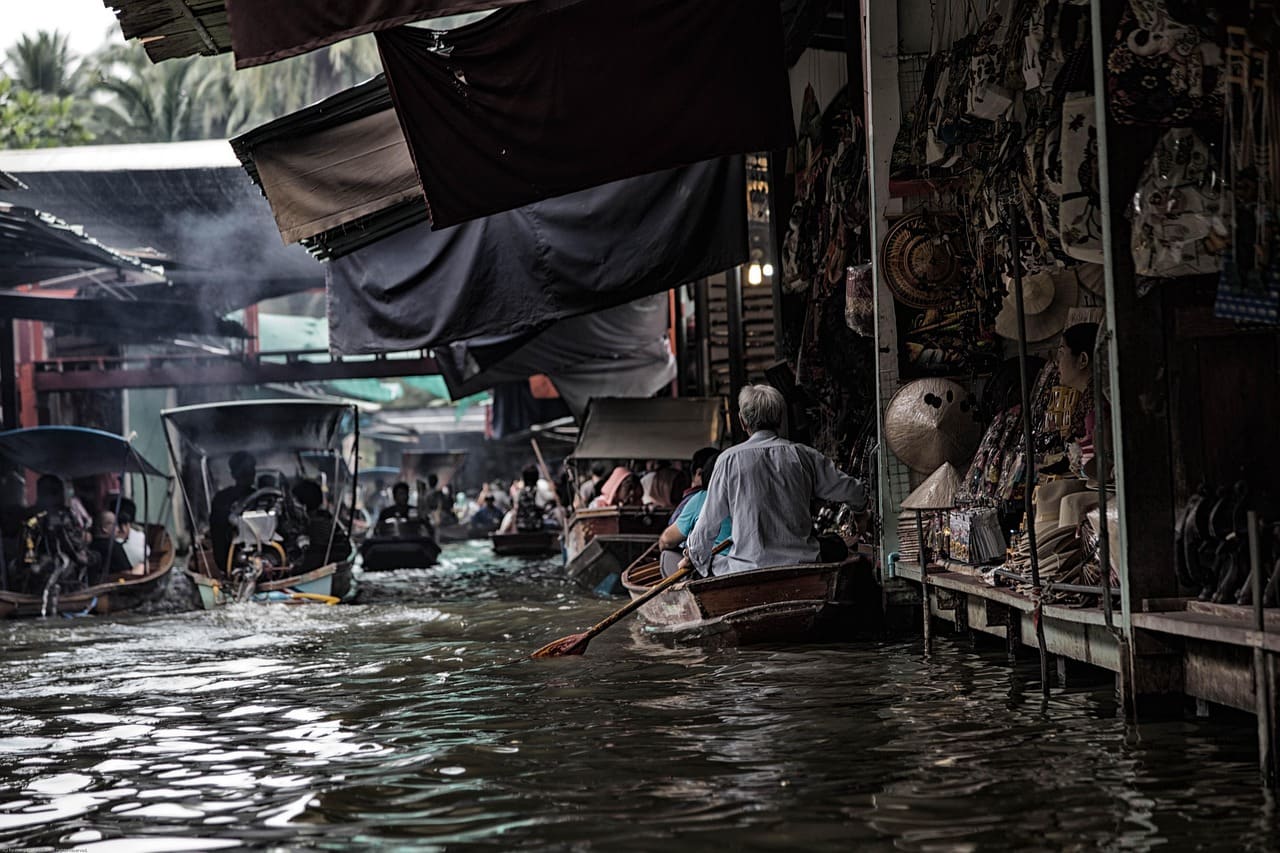
Can Tho is the capital of the Mekong Delta and the easiest gateway into Vietnam’s river country. While most travelers race from Ho Chi Minh City to Phu Quoc and miss this slice of the country entirely, Can Tho is where you slow down. The pace is half of Saigon’s, the air smells like river water and grilled lemongrass, and the city’s two great gifts — a sunrise floating market on the Hau River and a labyrinth of canals threading through fruit orchards — sit ten minutes apart by boat. If you want delta culture without the tour-bus crush of My Tho, this is the city to base in.
What to Do
Floating Markets at Dawn
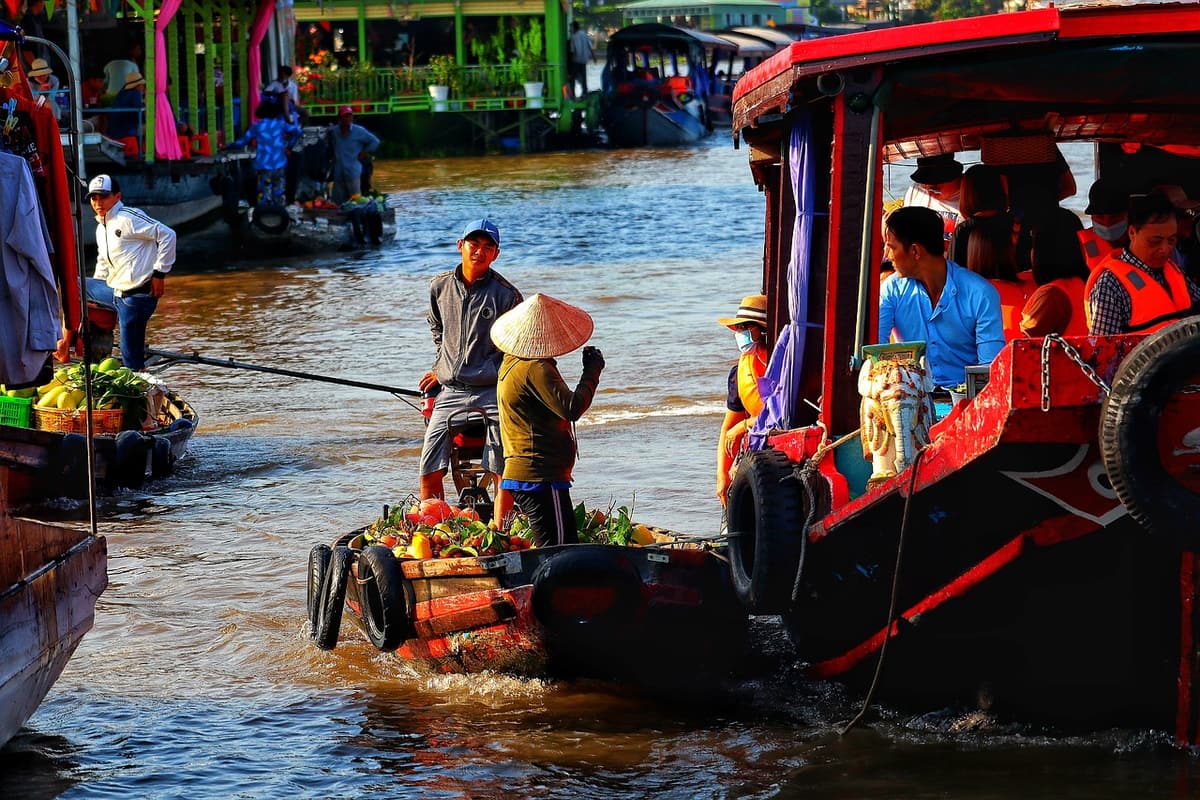
The big-ticket experience is Cai Rang Floating Market — Southeast Asia’s largest wholesale river market, where farmers haul watermelons, pineapples, and dragonfruit on stilt-sided boats and sell them by the boatload. Get there before the tour boats by booking a private boat from Ninh Kieu wharf the night before (about 200,000–400,000 VND for two hours). If Cai Rang feels touristy, swap in Phong Dien Floating Market — smaller, scrappier, almost entirely locals.
Mekong Canal & Orchard Tours
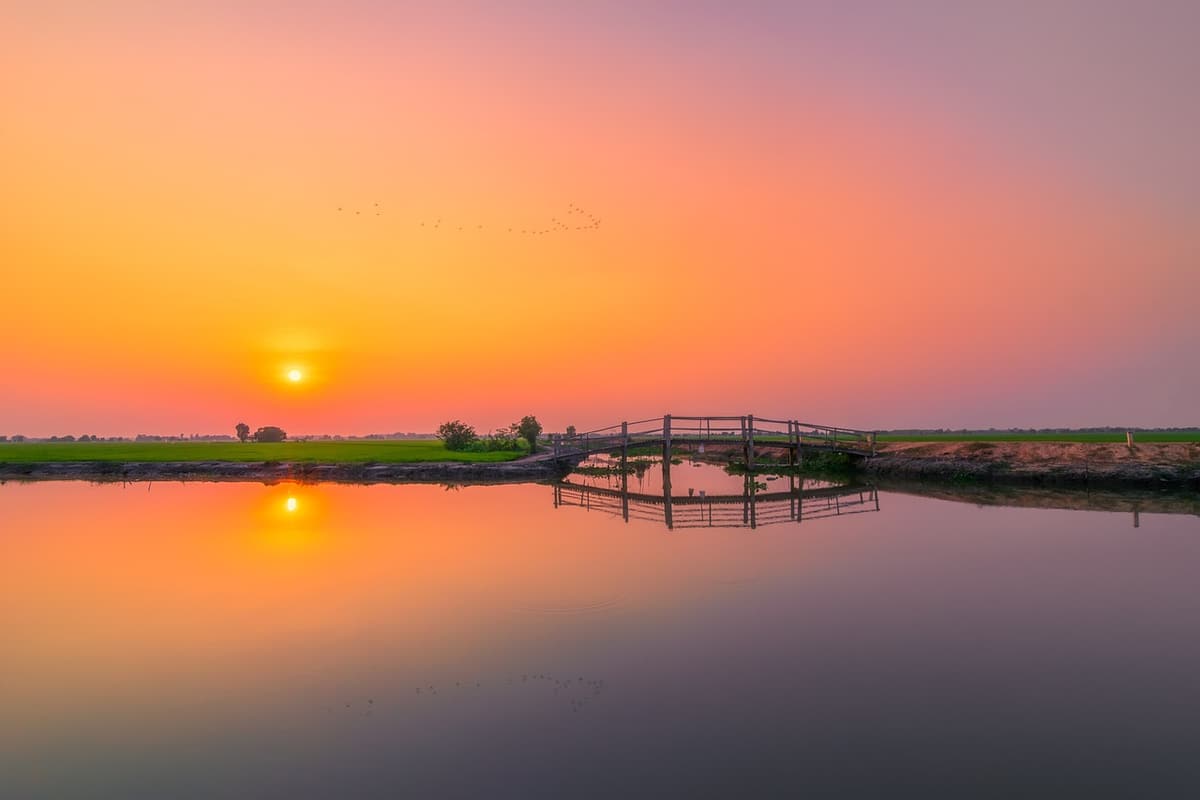
The real Mekong is in the canals branching off the main river. Hire a small sampan boat (the narrow wooden ones, not the speedboats) for half a day and weave through coconut palms and rice paddies into farming villages. Most tours stop at fruit orchards where you can taste rambutan, longan, and mangosteen straight off the tree, and at family workshops making rice paper or coconut candy.
Mekong Delta Food
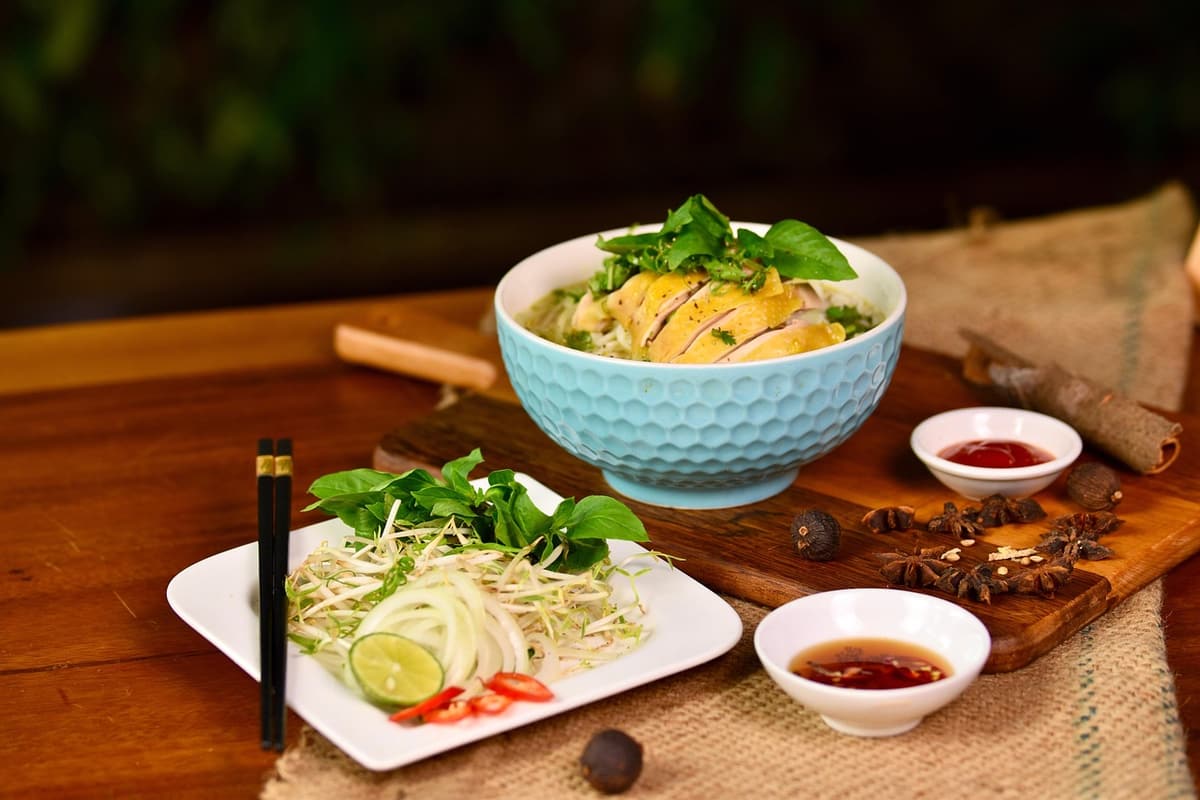
The delta has its own food vocabulary. Bun mam is the headliner — a deeply savory fermented-fish noodle soup loaded with shrimp, squid, river fish, and a small mountain of fresh herbs. Banh xeo here is plate-sized (twice the size of the Saigon version) and stuffed with beansprouts, shrimp, and pork. Cap the day with hu tieu Sa Dec — clear pork broth with thin rice noodles, the breakfast specialty from the neighboring flower town. Eat all of it at street stalls; the proper restaurants in Can Tho are largely tourist traps.
Day Trips From Can Tho
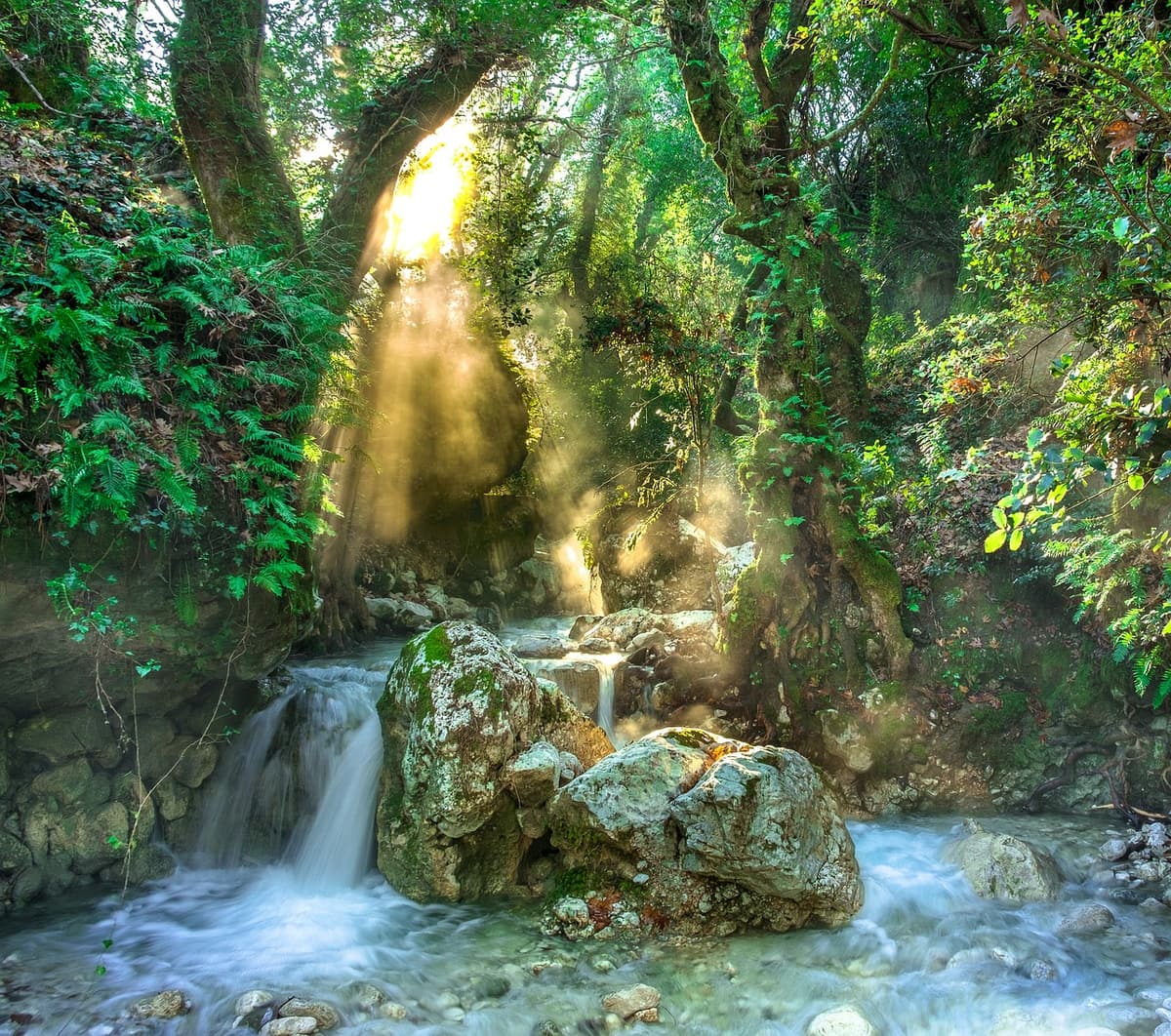
Can Tho is the launchpad for three excellent day trips. Tra Su Cajuput Forest (2.5 hours southwest) is a flooded forest you explore by small motor boat — surreal green light, cormorants overhead, and a viewpoint tower above the canopy. Sa Dec (1.5 hours northwest) is a flower-growing town where Marguerite Duras grew up, with a colorful market and the colonial house from The Lover. Chau Doc (3 hours west, on the Cambodian border) has a Khmer-Muslim community, floating fish farms, and a sacred mountain.
Pro Tips
- Book your sunrise boat the night before — the wharf is full of touts at 4:30 AM, so lock in a fair price (200,000–400,000 VND for a private boat) through your hotel the day before
- Bring small VND notes — floating market vendors can’t break 500,000 VND notes; 10K–50K denominations are perfect
- Stay near Ninh Kieu Wharf — the wharf is the city’s center of gravity; staying within walking distance saves 30 minutes of Grab time every morning
- Light layer for the 5 AM boat — the Mekong is genuinely chilly before sunrise, even in dry season; a thin long-sleeve makes the difference
- Grab bikes for canalside roads — Can Tho is small enough to walk, but Grab moto rides are 15,000–25,000 VND and skip the heat
- Skip the floating restaurants — the ones lit up along Ninh Kieu look tempting but are mostly mediocre tourist food; eat at the night-market stalls one block back
- Accommodation tier: Azerai Can Tho (boutique island resort, $200+/night) for splurge; Vinpearl Hotel Can Tho ($60–90) for mid-range with a rooftop pool; homestays in Phong Dien ($15–25) for the most authentic Mekong stay
Photos: Pixabay (free for commercial use).