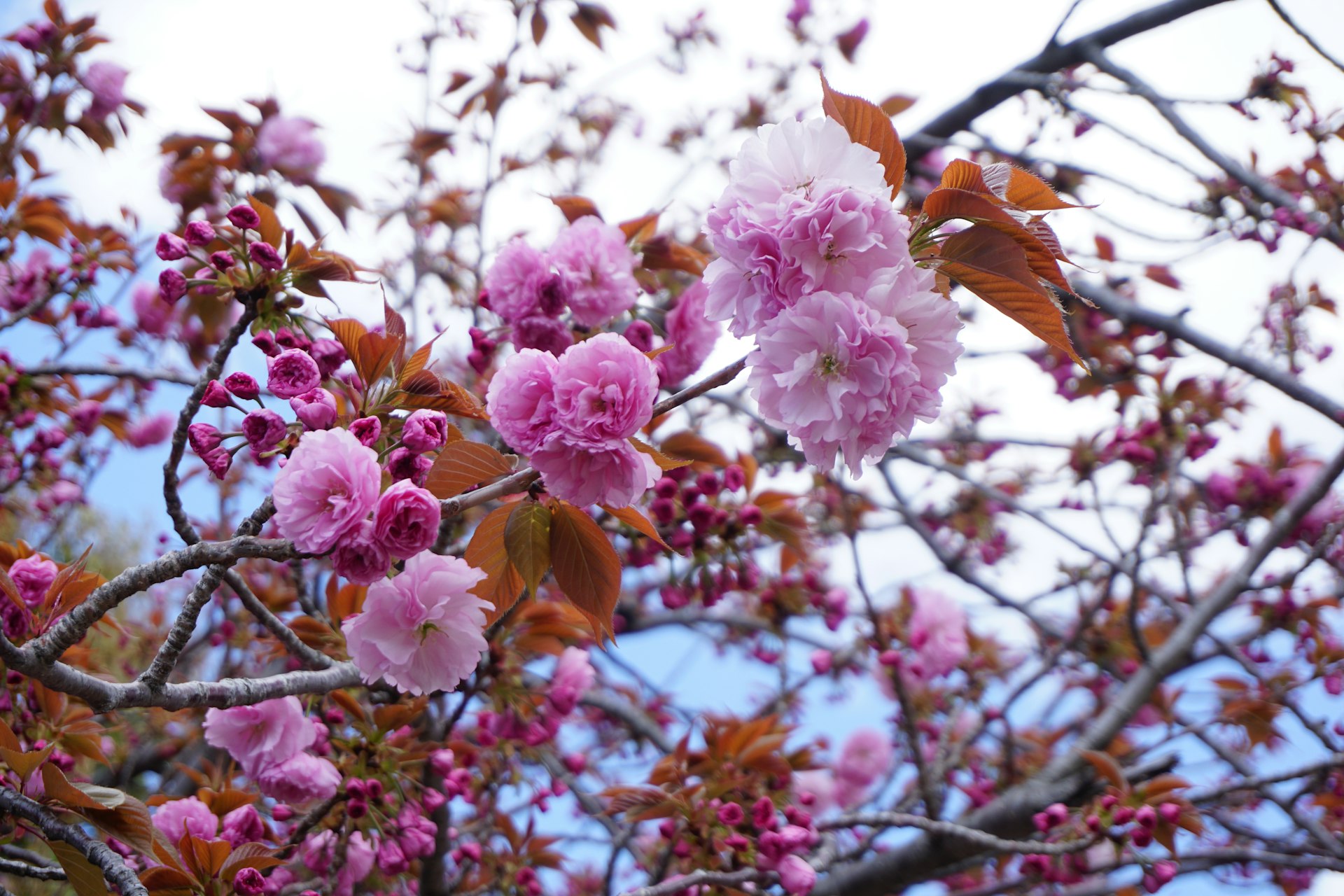
A warmer-than-average winter across Honshu has the major commercial forecasters nudging Tokyo’s 2026 peak bloom earlier than the long-run average — current projections put first-flowering around March 20 and peak around March 27 . That’s roughly four to six days ahead of the climatological norm. If you’re locked into early-April flights, don’t panic yet: peak windows are short, but the bloom rolls north for six weeks, and there’s almost always somewhere in Japan with sakura at its best.
The 2026 Forecast at a Glance
Forecasts are revised weekly between January and late March. Treat the table below as a planning anchor, not a guarantee — and check Weather News or the Japan Meteorological Corporation within seven days of departure.
| Region | First Bloom | Peak (Mankai) | Bloom Ends |
|---|---|---|---|
| Kyushu (Fukuoka, Kumamoto) | Mar 18 | Mar 25 | Apr 1 |
| Shikoku (Kochi, Matsuyama) | Mar 19 | Mar 26 | Apr 2 |
| Tokyo & Kanto | Mar 20 | Mar 27 | Apr 4 |
| Kyoto & Kansai | Mar 23 | Mar 30 | Apr 7 |
| Nagano / Japanese Alps | Apr 5 | Apr 12 | Apr 20 |
| Tohoku (Sendai, Hirosaki) | Apr 8 | Apr 18 | Apr 28 |
| Hokkaido (Sapporo, Hakodate) | Apr 28 | May 4 | May 12 |
“Peak” (満開, mankai) is the day roughly 80% of blossoms on the reference tree are open. Trees usually hold mankai for four to seven days before the petals fall, and a single rain-and-wind night can shorten that to two.
Kyushu and Shikoku First
If your trip is in mid-to-late March, you’re chasing the front line in the south. Fukuoka kicks off the mainland bloom most years — Maizuru Park inside the old castle grounds is the classic spot, with a thousand-plus trees framing the moat. Kumamoto Castle reopened its full central keep in 2021 after the earthquake repairs, and the sakura against the black-and-white walls is one of the most photographed castle-and-blossom combos in the country.
On Shikoku, Kochi Castle typically registers first bloom a day or two ahead of Tokyo, and Matsuyama lines the moat of its hilltop castle with hundreds of trees. Both islands are quieter than Honshu in cherry-blossom season — you’ll get the picnic-on-the-tarp experience without the Ueno-Park elbow-to-elbow density.

Tokyo and the Kanto Window
Tokyo is the single most-tracked sakura forecast in Japan — the reference tree at Yasukuni Shrine determines the official “opening” date for the capital. Around peak, the city has roughly a one-week window when every major park is in full bloom simultaneously.
📅 Climate by month
- Jan9.2°52.1mm
- Feb10.5°56mm
- Mar14.4°141.1mm
- Apr18.9°132.5mm
- May23.1°154mm
- Jun26.3°196.4mm
- Jul30.4°173.4mm
- Aug31.8°142.2mm
- Sep27.8°208.8mm
- Oct21.6°197mm
- Nov16.7°87.2mm
- Dec11.5°51mm
30-year climate normals (1991–2020) · Open-Meteo / ECMWF IFS
The reliable Tokyo hanami spots:
- Meguro River — three kilometers of overhanging branches, paper lanterns at night, food stalls. Get there before 5 PM on weekends or after 9 PM on weekdays to actually move.
- Shinjuku Gyoen — pay-to-enter (¥500), no alcohol, calmer crowds, and a mix of early and late-blooming varieties that stretch the window by a week.
- Ueno Park — the most famous, the most crowded, and the most fun if you want the tarp-and-beer picnic experience. Arrive at 7 AM to claim a spot.
- Chidorigafuchi (Imperial Palace moat) — rent a rowboat under the petals. Lines at the boathouse can hit two hours at peak; go on a weekday morning.
If 2026 confirms the early-peak forecast, the last weekend of March will be the sweet spot in Tokyo . Flights into Haneda or Narita for that weekend are typically the most expensive of the entire year, so book early.

When to Book Flights
Cherry-blossom season is one of two windows (the other is mid-November fall colors) when Japan flights spike 40–80% above shoulder-season fares. Set fare alerts in late September for late-March/early-April departures; prices tend to creep up steadily from October and jump in January once the first forecasts drop.
Kyoto Peak Spots
Kyoto typically peaks two to four days after Tokyo, which makes a Tokyo-then-Kyoto itinerary catch double the bloom if you time it right. The 2026 Kyoto peak is currently pegged at March 30 .
Three spots worth structuring a day around:
- Philosopher’s Path — a two-kilometer canal walk lined with several hundred trees, anchored by Ginkaku-ji at the north end and Nanzen-ji at the south. Walk it in the late afternoon for the warm light.
- Maruyama Park — home of the famous weeping cherry (shidare-zakura) that gets uplit at night. The park around it is the city’s biggest hanami party; expect crowds.
- Arashiyama — the Katsura River with the Togetsukyo bridge framed by sakura on the hills behind. Take the Sagano Romantic Train along the gorge if it’s running (typically reopens early March).
For a quieter alternative, head south to Yoshino Mountain in Nara prefecture — 30,000 cherry trees planted in tiers up the mountainside, blooming in waves from the lower slopes to the summit over about ten days. It’s a long day-trip from Kyoto (90 minutes each way by train plus the climb) but worth it for the scale.

Tohoku and Hokkaido (For Late Travelers)
If your flights are locked into mid-to-late April, the front line has already passed Tokyo and Kyoto — but Tohoku and Hokkaido are still ahead of you.
Hirosaki Castle in Aomori is the Tohoku showpiece: 2,600 cherry trees, a moat that fills with floating petals (the famous hanaikada, “petal raft”), and a peak window typically running from April 18 to April 25 . The Hirosaki Cherry Blossom Festival runs the whole bloom period with night illumination.
Kakunodate (also Aomori) has samurai-district streets lined with weeping cherries — visually different from the open-park style of Tokyo and Kyoto, and easy to combine with Hirosaki on a 2–3 day Tohoku loop.
Hokkaido is the latest mainland bloom — Sapporo and Hakodate peak in early May , and Hakodate’s Goryokaku star-fort, ringed by 1,500 trees and viewed from the tower above, is one of the most distinctive sakura compositions in Japan.

Hanami Etiquette and the Tarp Rule
A few practical norms that catch first-timers off guard:
- The tarp rule. Blue plastic sheets reserve hanami spots in public parks, and they’re respected. If you see one unattended, walk around it — someone’s coming back. To claim your own spot in Ueno or Yoyogi, send one person at sunrise to lay the tarp.
- No branches. Don’t pull blossoms toward you for photos; don’t pick fallen petals off the trees. The trees are old, often a century or more, and breaking a branch is a serious offense.
- Trash out. Most hanami parks have minimal bins. Bring a bag, take it with you.
- Alcohol rules vary. Ueno, Yoyogi, Sumida, and most outdoor parks permit it. Shinjuku Gyoen and most temple grounds do not. Check signage at the entrance.
- Convenience-store hanami food is part of the tradition — sakura mochi, hanami dango (three-color rice cake skewer), sakura-flavored everything in March. Don’t overthink the menu.
The flowers last a week. Plan for that, build flexibility into your itinerary so you can move 200km up or down the country if the forecast shifts, and you’ll catch peak somewhere. That’s the trick — chase the front line, don’t fight it.
FAQs
When is Tokyo’s peak in 2026?
Current commercial forecasts (as of mid-May 2025 long-range models) put Tokyo first bloom around March 20 and peak around March 27, roughly four to six days earlier than the long-run average . Recheck Weather News or n-kishou.com within seven days of your trip — the late-February revision is usually the most reliable.
Is Yoshino worth the day-trip?
Yes, if you want scale. 30,000 trees in tiers up a mountainside is a different visual experience than a city park, and the bloom rolls up the slope over about ten days, so you get a longer effective window. Start early — the last train back to Kyoto leaves earlier than you’d think, and the lower-slope trails get crowded by noon.
What if I miss the peak by a few days?
You’ll still see flowers. The hazakura phase (leaves emerging, petals falling) lasts another five to seven days after peak, and a windy day produces hanafubuki — a “blossom blizzard” of falling petals — which many travelers prefer to peak itself. The truly bare phase doesn’t arrive until 10–14 days after peak.
Why does the forecast change every week?
Cherry blossom timing is driven by accumulated warmth after the trees come out of winter dormancy — specifically, the running sum of daily temperatures above a threshold from about February onward. A single warm week in late February can pull the date forward by three or four days; a cold snap pushes it back. Forecasters update weekly as new temperature data lands.
Do I need a reservation for parks?
No. Public parks are free and first-come-first-served. The exceptions are paid gardens (Shinjuku Gyoen, Rikugien in Tokyo; the Imperial Palace boats; some night-illumination temple events in Kyoto). Night illumination events at popular temples (e.g., Kiyomizu-dera) often require timed tickets in peak week — book those when forecasts firm up in mid-March.
Sources
- Weather News 2026 sakura forecast — weathernews.jp/s/topics/sakura
- Japan Meteorological Corporation sakura forecast — n-kishou.com/corp/news-contents/sakura
- JMA (Japan Meteorological Agency) — discontinued its official sakura forecast in 2009; phenological observations continue. jma.go.jp
- JNTO sakura travel guide — japan.travel/en/japan-magazine/2106
- Wikivoyage Cherry Blossom in Japan — en.wikivoyage.org/wiki/Cherry_blossoms_in_Japan
- Hirosaki Cherry Blossom Festival official — hirosakipark.jp/sakura
- Japan Guide hanami spots — japan-guide.com/e/e2011.html
Hero photo: see public/images/blog/japan-cherry-blossom-timing-2026-hero.json. Inline photos: see docs/image-licenses/japan-cherry-blossom-timing-2026.md.
Heads up! Some links on this page are affiliate links. We may earn a small commission at no extra cost to you. This helps us keep Traveloonie running and free for everyone.
Reviewed by Traveloonie Team, last updated 2026-05-27.