Two rooms in the same Japanese city, same night. One is a ryokan in Higashiyama at 35,000 yen per person with a multi-course kaiseki dinner and a cedar-lined bath waiting at 7pm. The other is a business hotel near Kyoto Station at 12,000 yen for the whole room, vending-machine coffee, and a bed that works. The gap is real, the gap is wide, and the question isn’t which is “better” — it’s which trip you’re actually on.
What “Ryokan” Actually Means in 2026
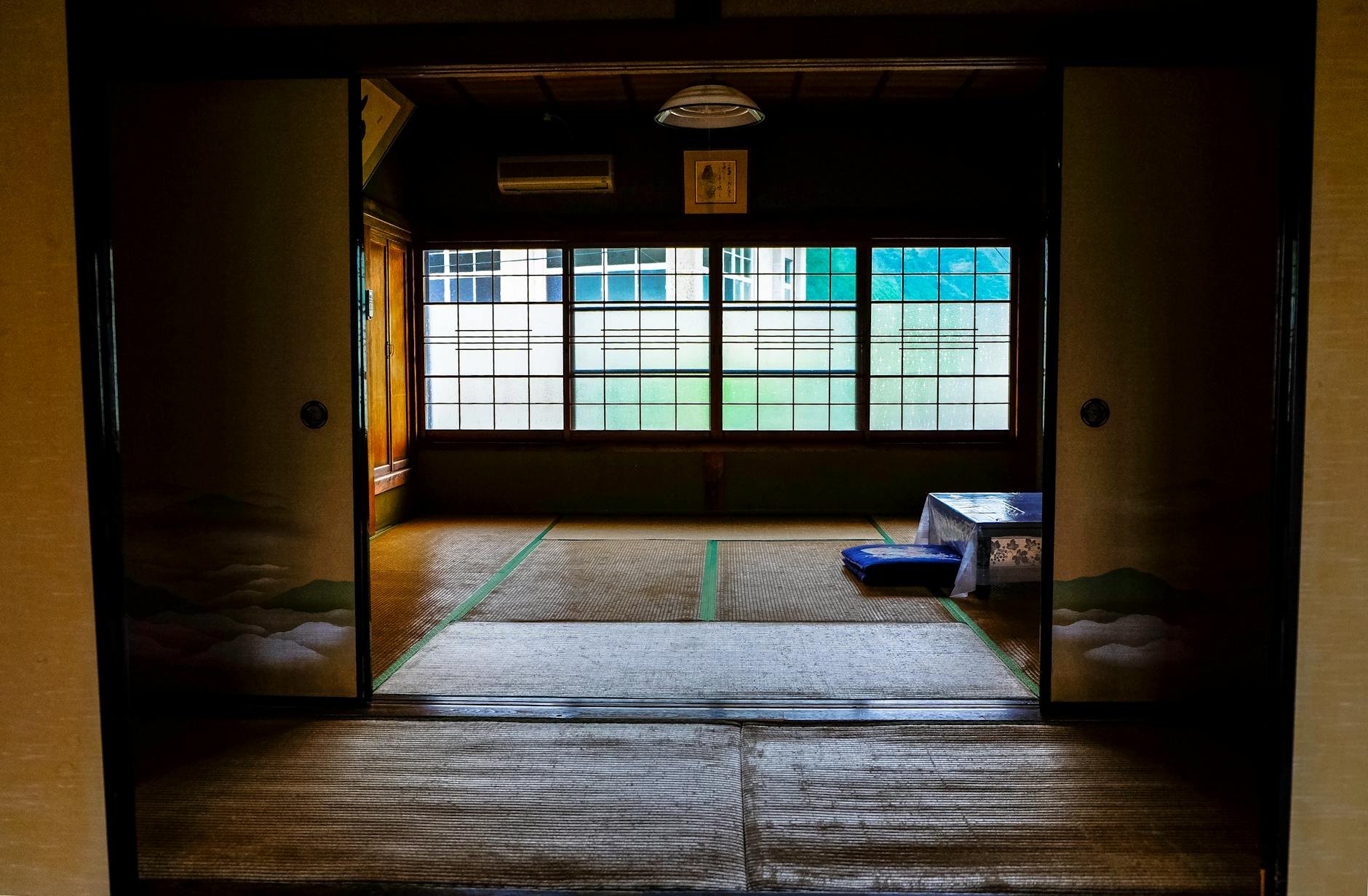
A ryokan is a traditional Japanese inn: tatami-mat rooms, futon bedding laid out by staff after dinner, communal bathing (often onsen if the location has hot springs), and meals — usually a kaiseki dinner and Japanese breakfast — served in-room or in a private dining area. Rates are typically quoted per person, including dinner and breakfast, which is the first thing that throws Western travelers reading Booking listings.
There’s a wide range under the label. A small countryside inn run by one family in Hakone is a ryokan. So is a 50-room hot-spring hotel in Kinosaki that calls itself one. Tokyo’s “city ryokan” near Asakusa are often closer to a guesthouse with tatami floors than the full experience. The price floor for what most travelers picture — proper kaiseki, attentive service, a private or semi-private bath — starts around 25,000 yen per person and climbs from there.
The Cost Gap (And What You Get For It)
A business hotel chain (APA, Toyoko Inn, Dormy Inn) in 2026 runs roughly 9,000-14,000 yen per room per night in major cities. A mid-tier ryokan in a hot-spring town runs 25,000-45,000 yen per person, two-meal plan included. For a couple, that’s a 50,000-90,000 yen night vs 12,000 — a four-to-seven-times multiple. The math only works when you’re buying more than a bed.
What the ryokan price actually covers:
- Two restaurant-quality meals (kaiseki dinner can be 8-12 courses)
- Onsen access, often 24-hour, sometimes private bookable baths
- Yukata and tabi socks provided, often a haori jacket in cold months
- Staff attention at a ratio Western hotels can’t match
- The room itself as an aesthetic object — view, tokonoma alcove, garden access
What the business hotel price covers: a clean compact room, a bed, a unit bathroom, and usually a free simple breakfast buffet. You’re paying for sleep and a base.

Kaiseki Dinner: The Real Sell
The single biggest reason to book a ryokan is the kaiseki dinner. It’s seasonal, multi-course, and built around what the region does well — Hokkaido crab in winter, Kyoto’s mountain vegetables in spring, Wakayama tuna on the coast. A good one runs 90 minutes to two hours, paced by staff, with each course staged for the table. It is genuinely one of the most memorable meals you can have in Japan, and replicating it at a standalone restaurant outside the ryokan system usually costs 20,000-30,000 yen per person on its own.
The breakfast that follows is its own thing — grilled fish, rice, miso, pickles, tamago, often a small hotpot — and it’s worlds away from a hotel buffet.
| Meal | Ryokan (kaiseki) | Business Hotel |
|---|---|---|
| Dinner | 8-12 seasonal courses, in-room or private dining, 90-120 min | None included; convenience store or izakaya nearby |
| Breakfast | Grilled fish set, miso, rice, pickles, tamago, small hotpot | Buffet — bread, eggs, salad, coffee |
| Drinks | Local sake pairing available, often included in higher plans | Vending machine, paid |
| Pace | Staff-paced, served course-by-course | Self-serve |
| Cost equivalent | 15,000-25,000 yen/person if booked separately | 0-1,500 yen if breakfast is bundled |
Futon vs Bed: The Honest Comfort Read
The futon question is where the marketing breaks down. A Japanese futon is a thin shikibuton mattress on a tatami floor with a kakebuton comforter on top. Staff lay it out after dinner while you’re at the bath. For most people under 65 with no back issues, it’s fine — the tatami underneath has more give than people expect, and the mattresses themselves have gotten thicker over the last decade.
If you’ve got a bad back, a hip replacement, or you sleep poorly on anything firm, this is the single biggest reason to pick a hotel — or to specifically book a ryokan room with Western-style beds, which most mid-and-upper ryokan now offer as an option. Filter for it on booking sites; the listing will say “Japanese-Western style” or “with bed.”
The other honest read: futons are warm. In a January ryokan in snow country, the kakebuton plus a heated floor plus the heat from the bath an hour before is the coziest sleep we’ve had in Japan. In a humid Kyoto August without good aircon, less so.

Which Trips Justify the Splurge
The ryokan-vs-hotel decision isn’t a blanket call. It’s trip-dependent. Three scenarios where the splurge pays:
Anniversaries and milestone trips. If you’re in Japan once a decade, one or two ryokan nights anchor the trip. Pick a hot-spring town (Hakone, Kinosaki, Kurokawa, Gero) where the onsen does half the work and the room view does the other half.
Snow country in winter. A ryokan in Yamanouchi, Nozawa, or Zao in January is a different planet. Hot bath, snow falling on a cedar courtyard, kaiseki built around winter ingredients, futon under a heated kotatsu setup. This is the postcard. Western hotels in the same towns are functional but miss the assignment.
Onsen-first trips. If the point of your week is bathing, you want a ryokan with multiple baths, a private kashikiri option, and staff who handle the rhythm of the day around them. A hotel with a “spa” attached is not the same product.
📅 Climate by month
- Jan8.2°53.6mm
- Feb9.1°64.8mm
- Mar13.6°114.3mm
- Apr18.8°155mm
- May23.3°182.9mm
- Jun26.7°253.9mm
- Jul30.8°247.6mm
- Aug32.4°182.6mm
- Sep28.4°192.2mm
- Oct21.9°190.4mm
- Nov16.3°71mm
- Dec10.6°56.7mm
30-year climate normals (1991–2020) · Open-Meteo / ECMWF IFS
For onsen-ryokan stays, late November through February is the sweet spot — cold air, hot water, fewer crowds outside the New Year week. Mid-summer is the weakest case: the baths are still good, but the rooms get warm and the kaiseki feels heavy.
Booking note: ryokan distribution is uneven. The big international booking sites carry maybe 60% of inventory, and the highest-tier inns often only sell direct or through Japanese-language portals. For a milestone trip, it’s worth emailing the ryokan directly or using a specialist like Japanese Guest Houses, especially if you want a specific room type or dietary accommodation.

What to Skip: Tourist Ryokan in Big Cities
The weakest version of the ryokan experience is a budget “city ryokan” in central Tokyo or Osaka aimed at first-time tourists. You get tatami floors and a futon, but no onsen, no kaiseki worth the name, and the cost premium over a clean business hotel rarely pays off. If you want to try the format cheaply, book one night in Asakusa or Yanaka and treat it as a sampler — but don’t expect it to deliver the full picture.
The same goes for the hybrid “machiya” townhouse rentals in Kyoto: lovely, photogenic, often great value as self-catering, but a different product entirely. No meals, no staff service, no bath ritual. If you want the ryokan experience, book a ryokan.

The cleanest rule we’ve landed on after a few trips: one or two ryokan nights as the centerpiece, business hotels or apartments for the rest of the trip. Two nights of full kaiseki in a row is a lot of food, and the contrast actually makes the ryokan nights hit harder. Book the splurge for the trip’s emotional anchor — the anniversary, the snow country night, the onsen day — and let the rest of the itinerary be efficient.
FAQs
Are ryokan in Kyoto worth it?
Mid-tier and high-end ryokan in Higashiyama or Arashiyama are worth it for one or two nights, especially if they include kaiseki. Budget “city ryokan” near Kyoto Station usually aren’t — you’re paying a tatami premium without the meals or baths that define the experience. Mix one ryokan night with hotel nights for the rest.
Can I skip the kaiseki dinner?
Some ryokan offer room-only or breakfast-only plans, but at the better inns the kaiseki is the product. Skipping it usually saves 30-40% on the rate and removes the main reason to be there. If you have dietary restrictions, contact the ryokan directly weeks ahead — they can almost always accommodate vegetarian, halal, or allergy needs with notice.
Is sleeping on a futon comfortable?
For most travelers, yes — modern shikibuton mattresses on tatami are firmer than a Western bed but not punishing. If you sleep poorly on firm surfaces or have back issues, book a ryokan room with Western-style beds (most offer the option) or split the trip with hotel nights.
Are tattoos a problem at ryokan?
Increasingly less so, but still case-by-case. Many ryokan in tourist-heavy hot-spring towns now allow tattoos in shared baths, or offer private kashikiri baths you can book by the hour. Smaller, traditional inns may still ask you to cover small tattoos with a patch or use the private bath only. Check the ryokan’s policy before booking — listings on JNTO and Japanese Guest Houses note tattoo policies.
How far in advance should I book?
For mid-tier ryokan in popular towns, 2-3 months ahead is comfortable. For named high-end ryokan (especially in Hakone, Kinosaki, or Kyoto’s top tier), 4-6 months for weekends and 6+ months for cherry blossom and autumn foliage weeks. Last-minute is possible midweek in off-season.
Sources
- Japanese Inn Group — ryokan booking portal
- Ryokan Collection — high-end ryokan directory
- JNTO — Where to Stay: Ryokan
- Wikivoyage — Ryokan
- Japanese Guest Houses — booking specialist
- JNTO — Onsen etiquette
Hero photo: see public/images/blog/ryokan-vs-hotel-japan-hero.json. Inline photos: see docs/image-licenses/ryokan-vs-hotel-japan.md.
Heads up! Some links on this page are affiliate links. We may earn a small commission at no extra cost to you. This helps us keep Traveloonie running and free for everyone.
Reviewed by Traveloonie Team, last updated 2026-05-27.